
Are you tired of dealing with nighttime acid reflux and the discomfort it brings? If so, you’ll be glad to know that creating the ideal bed incline can help alleviate your symptoms and provide a more restful sleep. By elevating the head of your bed, you can prevent stomach acid from flowing back into your esophagus, reducing the likelihood of reflux episodes. In this article, we will explore different methods for achieving the perfect bed incline and discuss how it can improve your quality of sleep. Say goodbye to sleepless nights and hello to a comfortable, acid-free slumber!

Understanding Nighttime Acid Reflux
Nighttime acid reflux, also known as gastroesophageal reflux disease (GERD), occurs when stomach acid flows backward into the esophagus while you are lying down or sleeping. This can lead to a range of uncomfortable symptoms and disrupt your sleep. Understanding the causes and impact of nighttime acid reflux is crucial in finding effective solutions.
What is Acid Reflux?
Acid reflux occurs when the lower esophageal sphincter (LES) weakens or relaxes abnormally, allowing stomach acid to flow back into the esophagus. This can cause a burning sensation in the chest, known as heartburn, along with other symptoms such as regurgitation, difficulty swallowing, and a sour taste in the mouth. Nighttime acid reflux can be particularly bothersome as it tends to occur when in a horizontal position, making it easier for acid to travel upward.
Common Symptoms of Acid Reflux
Recognizing the symptoms of acid reflux is important in managing the condition. Common symptoms include heartburn, a burning sensation in the chest or throat, especially after eating or lying down. Other symptoms may include regurgitation of food or sour-tasting liquid, difficulty swallowing, hoarseness, coughing, and frequent throat clearing. It’s important to note that not everyone with acid reflux experiences all of these symptoms, and they can vary in intensity.
The Impact of Acid Reflux at Night
Nighttime acid reflux can significantly impact your quality of life. The discomfort and pain can interfere with your ability to sleep, leading to daytime fatigue, irritability, and difficulty concentrating. Chronic acid reflux can also contribute to more serious complications, such as erosion of the esophagus lining, the formation of ulcers, and even an increased risk of esophageal cancer. Therefore, finding ways to manage and reduce nighttime acid reflux is crucial for your overall well-being.
Why Adjusting Bed Incline Helps
Adjusting the incline of your bed can be a simple yet effective solution for reducing nighttime acid reflux symptoms and improving your comfort and sleep quality.
Reducing Acid Reflux Symptoms
Elevating the upper body helps gravity keep stomach acid in the stomach where it belongs, preventing it from flowing upward into the esophagus. By adjusting the bed incline, you create an angle that promotes the downward movement of acid, reducing the likelihood of reflux and alleviating symptoms such as heartburn and regurgitation.
Preventing Acid From Traveling Upward
When you lie flat, especially after eating, the likelihood of acid reflux increases as there is no barrier to prevent stomach acid from flowing upward. Adjusting the incline of your bed helps create a barrier by utilizing gravity to keep the acid in the stomach. This can significantly reduce the frequency and intensity of acid reflux episodes during sleep.
Improving Comfort and Sleep Quality
In addition to reducing acid reflux symptoms, adjusting the bed incline can also improve your overall comfort and sleep quality. By elevating the upper body, you can alleviate pressure on the diaphragm and chest, making it easier to breathe comfortably. This can result in a more restful sleep, allowing you to wake up feeling refreshed and rejuvenated.
Determining the Optimal Incline Angle
Finding the optimal incline angle for your bed involves considering personal comfort and consulting with a healthcare professional.
Consulting with a Healthcare Professional
It is always a good idea to consult with a healthcare professional, such as a gastroenterologist or a sleep specialist, to determine the optimal incline angle for your bed. They can assess your specific medical condition and provide personalized recommendations that take into account any underlying health issues or concerns.
The Role of Gravity
The primary principle behind adjusting the incline of your bed is to utilize the force of gravity to keep stomach acid in the stomach. By inclining the upper body, you create a slope that allows acid to flow downward. However, the specific angle may vary depending on various factors, including the severity of your acid reflux and your personal preference.
Adjusting Incline Based on Personal Comfort
While there is no exact science to determine the perfect incline angle for everyone, it is important to find a position that feels comfortable for you. Start by gradually increasing the incline of your bed and see how it affects your symptoms and overall sleep quality. It may take some trial and error to find the optimal incline that provides relief while ensuring a comfortable and restful sleep.
Different Options for Bed Incline
There are various options available to adjust the incline of your bed, ranging from simple solutions to more advanced alternatives.
Using Pillows or Wedges
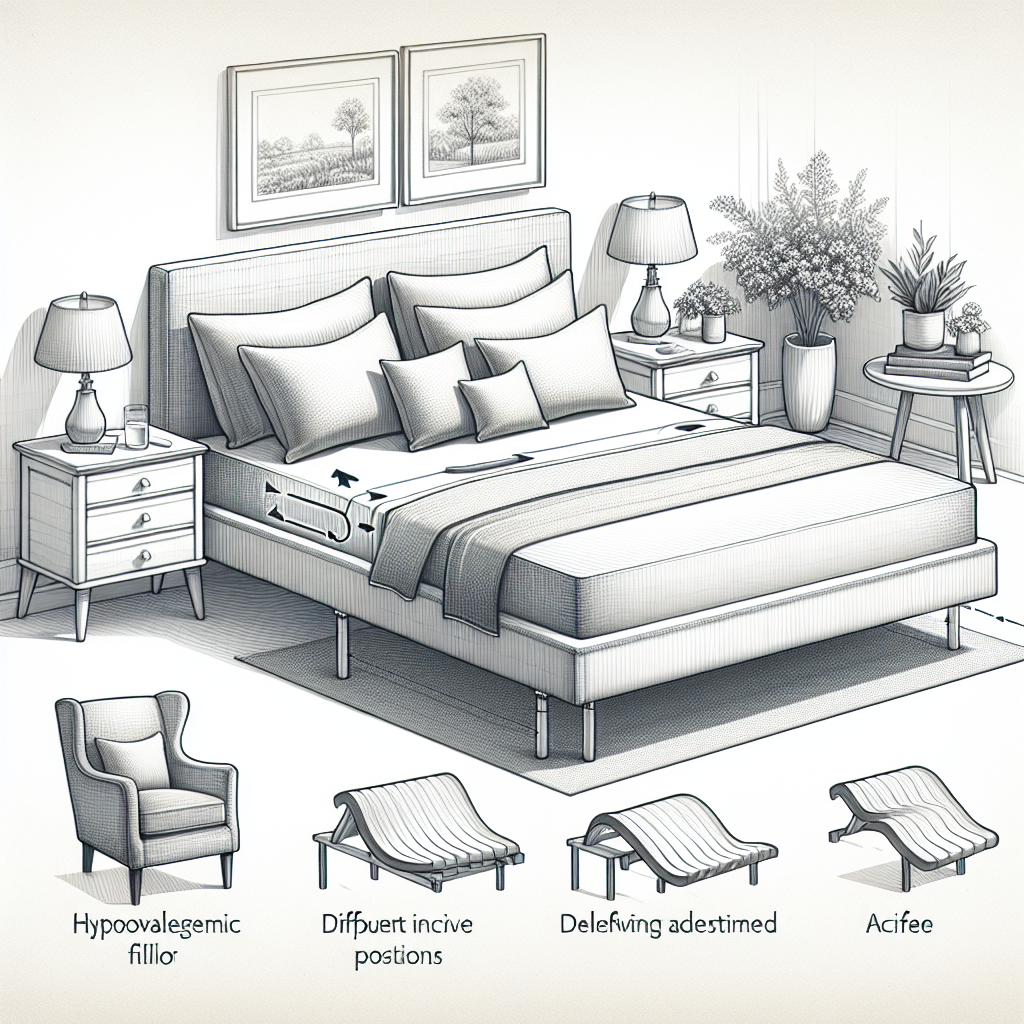
One of the simplest ways to elevate the upper body is by using pillows or wedges under your upper back and head. This can create a gentle incline and provide relief from acid reflux symptoms. However, it’s important to ensure that the pillows or wedges are the right height and firmness to provide adequate support.
Adjustable Bed Frames
Investing in an adjustable bed frame can offer greater flexibility in adjusting the incline to your desired angle. These frames allow you to raise or lower the head section of the bed, providing customizable incline options. This can be particularly beneficial if you have other medical conditions that require additional support or positioning.
Elevating the Head of the Bed
Another option is to elevate the entire head of the bed by placing blocks or risers under the bed legs. This method creates a gradual incline from the foot of the bed to the head, promoting the downward flow of acid. It is important to ensure the bed is securely elevated to prevent any accidents or instability.
Positioning the Body Correctly
In addition to adjusting the incline of your bed, proper body positioning can further enhance the effectiveness of managing nighttime acid reflux symptoms.
Elevating the Upper Body
To best alleviate symptoms of acid reflux, it is essential to elevate the upper body. This can be done by using pillows or wedges, an adjustable bed frame, or elevating the head of the bed. By elevating the upper body, you create an angle that helps keep stomach acid in the stomach, reducing the likelihood of reflux during sleep.
Supporting the Lower Back
To maintain proper alignment and reduce strain on the lower back, it is important to support this area while sleeping. This can be achieved by using a pillow or lumbar roll to provide support to the natural curve of the lower back. By supporting the lower back, you can help prevent discomfort or pain that may contribute to poor sleep quality.
Proper Alignment for Sleep
To promote optimal sleep quality and reduce the risk of acid reflux, it is important to maintain proper alignment of the body. This means keeping the head, neck, and spine in a neutral position while sleeping. Using a pillow that provides adequate support for the neck and aligns the spine can help achieve this alignment, ensuring a comfortable and restful sleep.
Choosing the Right Bedding Accessories
Selecting the appropriate bedding accessories can further enhance the effectiveness of adjusting the bed incline for acid reflux relief.
Selecting the Appropriate Pillow
Choosing the right pillow is crucial in supporting proper alignment and reducing the risk of acid reflux symptoms. Opt for a pillow that provides adequate support for the head, neck, and shoulders, promoting proper spinal alignment. Additionally, consider using a wedge pillow specifically designed for acid reflux relief, as they provide targeted support for elevating the upper body.
Considering Body Position During Sleep
Different body positions during sleep can influence the effectiveness of managing acid reflux symptoms. Side sleeping, in particular, can help reduce the risk of acid reflux compared to sleeping on the back or stomach. Therefore, choosing a mattress and pillow that are specifically designed to support side sleeping can be beneficial for those with acid reflux.
Using Mattress Toppers or Foam Wedges
In addition to pillows and wedges, using mattress toppers or foam wedges can provide additional support and comfort for managing acid reflux at night. These additions can elevate the entire upper body, creating a more gradual incline and reducing the likelihood of acid reflux episodes.
Additional Lifestyle Changes to Support Acid Reflux Relief
While adjusting the bed incline can be effective in managing nighttime acid reflux, incorporating additional lifestyle changes can further enhance the relief and overall well-being.
Dietary Adjustments
Making dietary changes is an important aspect of managing acid reflux. Avoiding trigger foods and beverages, such as citrus fruits, spicy foods, fatty foods, caffeine, and alcohol, can help reduce the occurrence of acid reflux episodes. Additionally, consuming smaller meals and avoiding eating close to bedtime can also promote better digestion and decrease the likelihood of reflux during sleep.
Avoiding Trigger Foods and Beverages
Certain foods and beverages can trigger acid reflux symptoms in some individuals. By identifying and avoiding these triggers, you can reduce the frequency and intensity of acid reflux episodes. Common trigger foods include tomatoes, onions, garlic, chocolate, mint, and carbonated beverages. Keeping a food diary and noting any associations between specific foods and acid reflux symptoms can be helpful in identifying your personal triggers.
Modifying Eating Habits
In addition to avoiding trigger foods, modifying your eating habits can also contribute to better acid reflux management. Eating smaller, more frequent meals throughout the day can help prevent overeating and reduce the pressure on the LES, decreasing the likelihood of acid reflux. It’s also important to avoid lying down immediately after eating and to allow for proper digestion before bedtime.
Maintaining Consistency and Persistence
When implementing changes to manage nighttime acid reflux, it is important to maintain consistency and persistence in order to achieve optimal results.
Giving the Body Time to Adjust
It is important to remember that the body may need time to adjust to the changes in bed incline and lifestyle adjustments. It may take several nights or even weeks before you notice a significant improvement in your acid reflux symptoms. Therefore, it is important to be patient and allow your body sufficient time to adapt to the changes.
Reassessing and Making Necessary Changes
If you have tried adjusting the bed incline and implementing lifestyle changes without experiencing significant relief, it may be necessary to reassess and make additional adjustments. Consulting with a healthcare professional can help identify any underlying issues or provide alternative solutions that may better suit your specific needs.
Combining Multiple Strategies for Optimal Results
Managing nighttime acid reflux often requires a multifaceted approach. It may be beneficial to combine different strategies, such as adjusting the bed incline, making dietary modifications, and using appropriate bedding accessories, to achieve the best possible results. By addressing the issue from various angles, you can effectively manage acid reflux symptoms and improve your overall quality of life.
Potential Risks and Precautions
While adjusting the bed incline and implementing lifestyle changes can be effective in managing nighttime acid reflux, it is important to be aware of potential risks and take necessary precautions.
Consulting with a Healthcare Provider
Before making any significant changes to your lifestyle or bed incline, it is always advisable to consult with a healthcare provider. They can provide personalized advice, taking into consideration your specific medical condition and any potential risks associated with the changes.
Monitoring for Discomfort or Pain
While adjusting the bed incline can provide relief from acid reflux symptoms, it is important to monitor for any discomfort or pain that may arise from the changes. If you experience increased discomfort or pain, it may indicate that the incline angle is too steep or that you have an underlying issue that needs to be addressed.
Addressing Any Underlying Medical Conditions
If you have an underlying medical condition contributing to your acid reflux, it is important to address it in conjunction with adjusting the bed incline. Treating the underlying condition, such as a hiatal hernia or obesity, can be crucial in effectively managing acid reflux symptoms and improving your overall health.
Conclusion
Achieving a comfortable and inclined bed can significantly improve your sleep quality and alleviate nighttime acid reflux symptoms. By properly adjusting the bed incline, supporting your body in the correct position, and using appropriate bedding accessories, you can effectively manage acid reflux and significantly enhance your overall quality of life. It is important to consult with a healthcare professional, maintain consistency in your routines, and make necessary adjustments to ensure optimal results. Remember, a good night’s sleep is within reach, and with the right strategies, you can conquer nighttime acid reflux and wake up refreshed each morning.