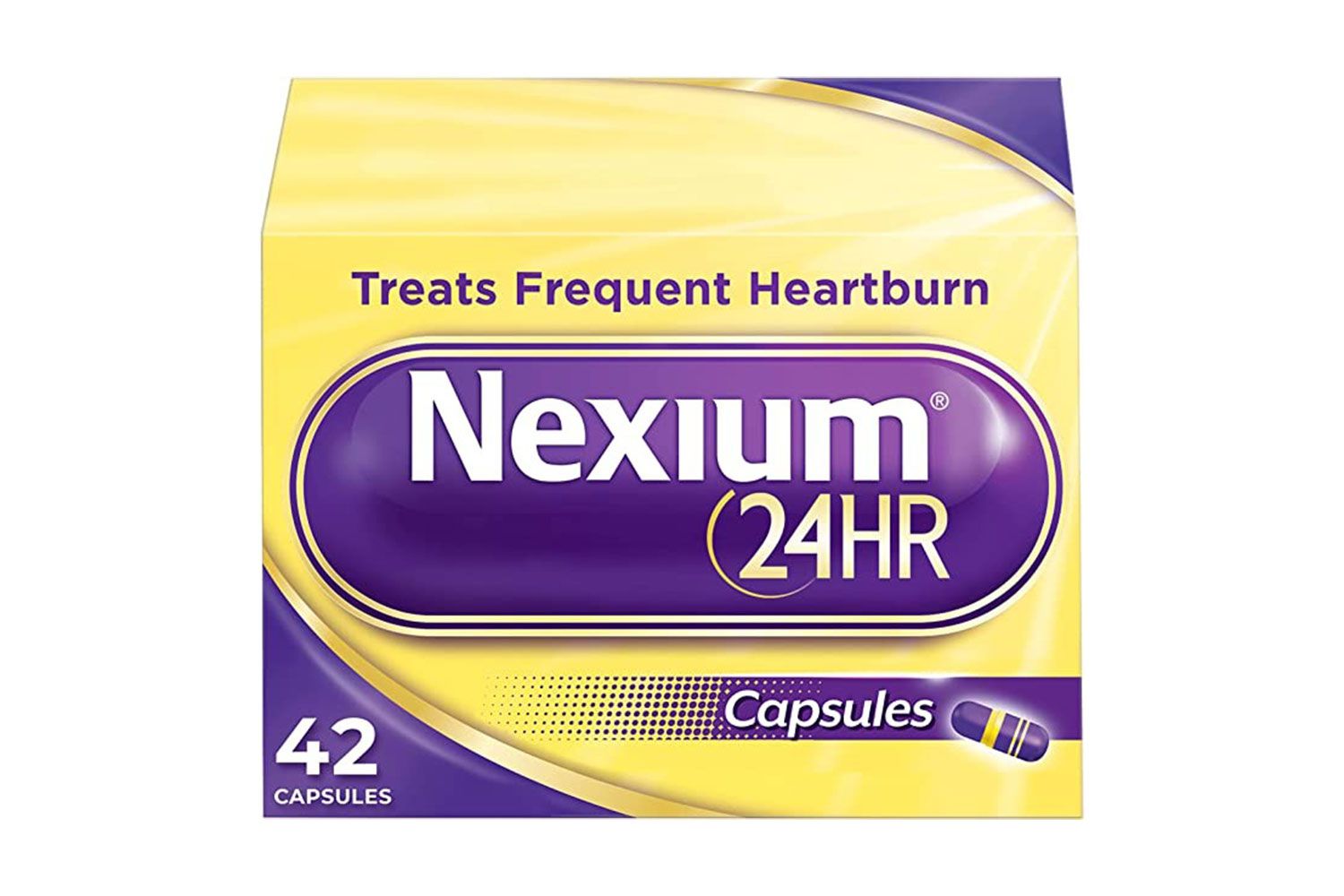
Are you tired of that uncomfortable burning sensation in your chest after indulging in your favorite spicy foods? Look no further! In our article, “Choosing The Right Antacid: A Buyer’s Guide,” we offer a comprehensive overview of different antacids available in the market today. Whether you’re looking for quick relief or long-lasting protection against heartburn, we’ve got you covered. Say goodbye to that unpleasant feeling and say hello to a world of gastronomic freedom with the right antacid by your side!
Understanding Antacids
Antacids are medications that provide relief from heartburn, indigestion, and acid reflux. They work by neutralizing excess stomach acid to alleviate discomfort and promote digestion. Antacids come in various forms such as chewable tablets, liquid solutions, powders, and effervescent tablets.
What are antacids?
Antacids are over-the-counter medications that help neutralize stomach acid. They are commonly used to relieve symptoms of indigestion, heartburn, and acid reflux. Antacids are available in different formulations and contain various ingredients that work to counteract the effects of excess stomach acid.
How do antacids work?
Antacids work by raising the pH level in the stomach, reducing the acidity caused by excessive gastric acid production. This helps alleviate symptoms such as heartburn, bloating, and indigestion. The active ingredients in antacids react with stomach acid to form salts and water, which can then be easily eliminated by the body.
Common ingredients of antacids
Different antacids may contain a variety of active ingredients, each with its own mechanism of action. The most common ingredients found in antacids include calcium carbonate, magnesium hydroxide, aluminum hydroxide, and sodium bicarbonate. Some antacids may also contain simethicone, which helps relieve gas and bloating.
Types of Antacids
Antacids can be categorized based on the primary active ingredient they contain. The various types of antacids include calcium-based antacids, magnesium-based antacids, aluminum-based antacids, sodium bicarbonate antacids, and combination antacids.
Calcium-based antacids
Calcium-based antacids, such as Tums and Rolaids, contain calcium carbonate as the main ingredient. These antacids are known for their rapid onset of action and long-lasting relief. Calcium-based antacids are an excellent option for individuals who require calcium supplementation alongside acid neutralization.
Magnesium-based antacids
Magnesium-based antacids, like Mylanta and Maalox, feature magnesium hydroxide as the active ingredient. These antacids are effective at neutralizing stomach acid and can also act as a laxative in high doses. People with kidney problems should use magnesium-based antacids with caution, as excessive intake can lead to magnesium buildup in the body.
Aluminum-based antacids
Antacids containing aluminum hydroxide, such as Gaviscon, work by forming a protective coating on the stomach lining. Aluminum-based antacids are often used in combination with magnesium to counteract the potential constipating effects of aluminum. These antacids are known for their longer duration of action and may be recommended for individuals with persistent symptoms.
Sodium bicarbonate antacids
Sodium bicarbonate antacids, like Alka-Seltzer, act quickly by neutralizing stomach acid. They can provide rapid relief from heartburn and indigestion. However, due to the high sodium content, individuals on a low-sodium diet or with high blood pressure should avoid frequent use of sodium bicarbonate antacids.
Combination antacids
Combination antacids, such as Mylanta Ultimate Strength and Maalox Total Relief, combine multiple active ingredients to provide a broader range of relief. These antacids may contain ingredients like calcium carbonate, magnesium hydroxide, and simethicone. Combination antacids can be a convenient option for individuals with multiple symptoms or those seeking more comprehensive relief.

This image is property of www.verywellhealth.com.
Assessing Your Needs
When choosing the right antacid, it’s important to assess your specific needs based on symptoms, medical history, medication use, and the advice of healthcare professionals.
Identifying symptoms and conditions
Identifying your specific symptoms is crucial in selecting the appropriate antacid. Heartburn, indigestion, and acid reflux are common symptoms that can be effectively managed with antacids. However, if you experience persistent or severe symptoms, it is recommended to consult a healthcare professional for further evaluation.
Considering medical history and medication
Certain medical conditions and medications may interact with antacids or require specific considerations. For example, individuals with kidney problems should avoid using magnesium-based antacids, while those with high blood pressure may need to limit sodium bicarbonate antacid use. It is essential to review your medical history and current medications to ensure the chosen antacid is safe and appropriate for you.
Consulting with a healthcare professional
If you have concerns or questions about which antacid is best for you, consulting with a healthcare professional, such as a doctor or pharmacist, is highly encouraged. They can provide personalized recommendations based on your medical history, current medications, and individual needs. A healthcare professional’s expertise will help ensure you choose the right antacid and use it safely.
Determining frequency of use
The frequency of antacid use varies depending on the individual’s symptoms and needs. Some individuals may require occasional use for temporary relief, while others may need daily or regular use for ongoing management. Determining the frequency of antacid use should be discussed with a healthcare professional to avoid any potential risks or complications.
Safety Considerations
While antacids are generally considered safe for most individuals, it’s essential to be aware of potential side effects, drug interactions, and specific considerations for certain populations.
Potential side effects
Common side effects of antacids can include diarrhea, constipation, nausea, and abdominal discomfort. These side effects are generally mild and temporary. However, if symptoms persist or worsen, it is advised to seek medical guidance. Additionally, prolonged or excessive use of antacids may lead to nutrient deficiencies or electrolyte imbalances.
Drug interactions
Certain medications may interact with antacids, affecting their effectiveness or causing potential harm. Antacids can interfere with the absorption or metabolism of other medications, reducing their efficacy. It is crucial to consult with a healthcare professional or pharmacist to ensure there are no contraindications or interactions between your medications and chosen antacid.
Pregnancy and breastfeeding considerations
Pregnant or breastfeeding individuals should exercise caution while using antacids. Some antacids may contain ingredients that are not recommended during pregnancy or breastfeeding. It is advisable to consult with a healthcare professional before starting or continuing antacid use to ensure the safety of both the parent and the baby.
Allergies and sensitivities
Individuals with known allergies or sensitivities to specific ingredients in antacids should carefully review the product labels and consult with a healthcare professional if necessary. It is important to choose an antacid formulation that does not contain any ingredients that may trigger an allergic reaction or worsen existing conditions.
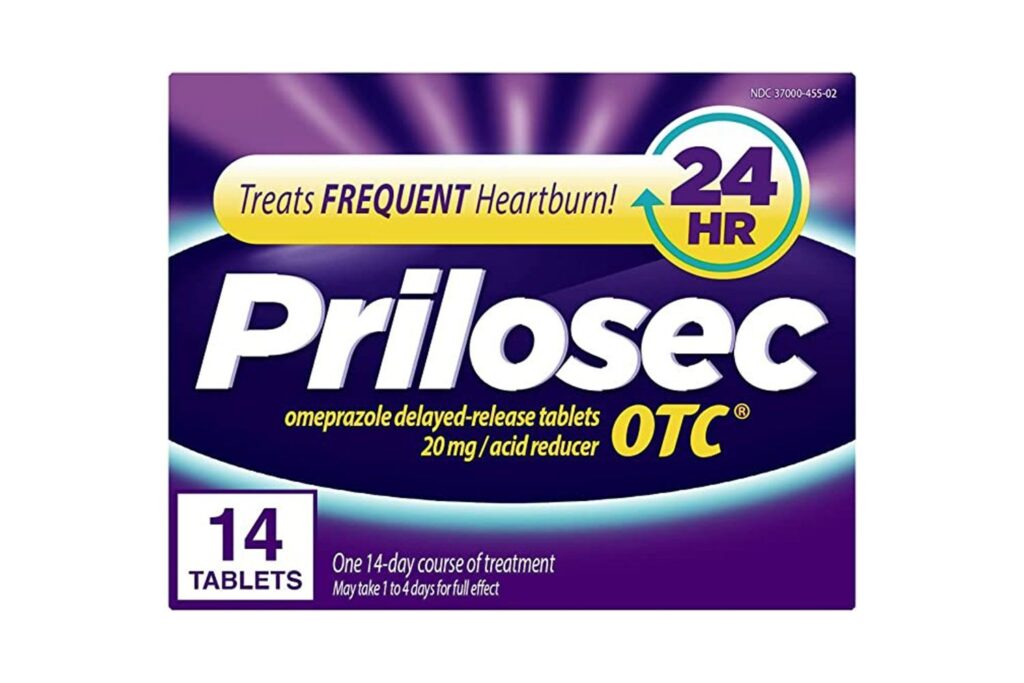
This image is property of www.verywellhealth.com.
Effectiveness
When selecting an antacid, considering its effectiveness in managing symptoms is crucial. Different factors contribute to the effectiveness of an antacid product.
Neutralizing acid
The primary goal of an antacid is to neutralize excess stomach acid. Choosing an antacid with potent acid-neutralizing properties can provide effective relief from symptoms such as heartburn and indigestion. The active ingredients in antacids play a vital role in determining their acid-neutralizing capabilities.
Duration of action
The duration that an antacid provides relief from symptoms can vary. Some antacids offer short-term relief, while others have a longer duration of action. Consider your specific needs and preferences when choosing an antacid with a duration of action that aligns with your desired relief timeframe.
Speed of action
The speed at which an antacid works can impact how quickly relief is obtained. If you require immediate relief from symptoms, selecting an antacid with a rapid onset of action, such as effervescent tablets or liquid antacids, can be beneficial.
Reflux prevention
Certain antacids, particularly those containing alginate, can create a barrier on top of the stomach contents, helping prevent the reflux of acid into the esophagus. If reflux prevention is a key concern, consider antacids that offer this additional benefit.
Long-term acid control
For individuals with frequent or chronic acid-related conditions, long-term acid control may be desirable. Some antacids offer prolonged acid suppression, providing relief over an extended period compared to short-acting antacids.
Flavor and Formulation
Antacids come in various forms, including liquid solutions, chewable tablets, regular tablets, powders, and effervescent tablets. Consider the different formulations and flavors available to find the most convenient and palatable option for you.
Liquid antacids
Liquid antacids are a popular choice for individuals who prefer a more easily swallowed form or those who have difficulty chewing tablets. They are available in a range of flavors, making them more enjoyable to consume for some individuals.
Chewable tablets
Chewable tablets offer a convenient and portable option for those on the go. They provide a quick and easy method of administration without needing water. Chewable tablets are available in various flavors, catering to different taste preferences.
Tablets and capsules
Regular tablets and capsules are popular antacid formulations. They are typically swallowed whole with water. These formulations are suitable for individuals who do not mind swallowing pills and prefer a compact and easy-to-carry option.
Powders and effervescent tablets
Powdered antacids or effervescent tablets can be dissolved in water before ingestion. They provide a fizzy and refreshing alternative to traditional tablets or liquid antacids. Powders and effervescent tablets can be advantageous for individuals who prefer a different sensory experience or have specific dietary restrictions.
Flavor options
Different antacids offer a variety of flavors to choose from, such as mint, cherry, lemon, or orange. Selecting an antacid with a flavor that you find pleasant can enhance the overall experience and make it more enjoyable to take regularly.
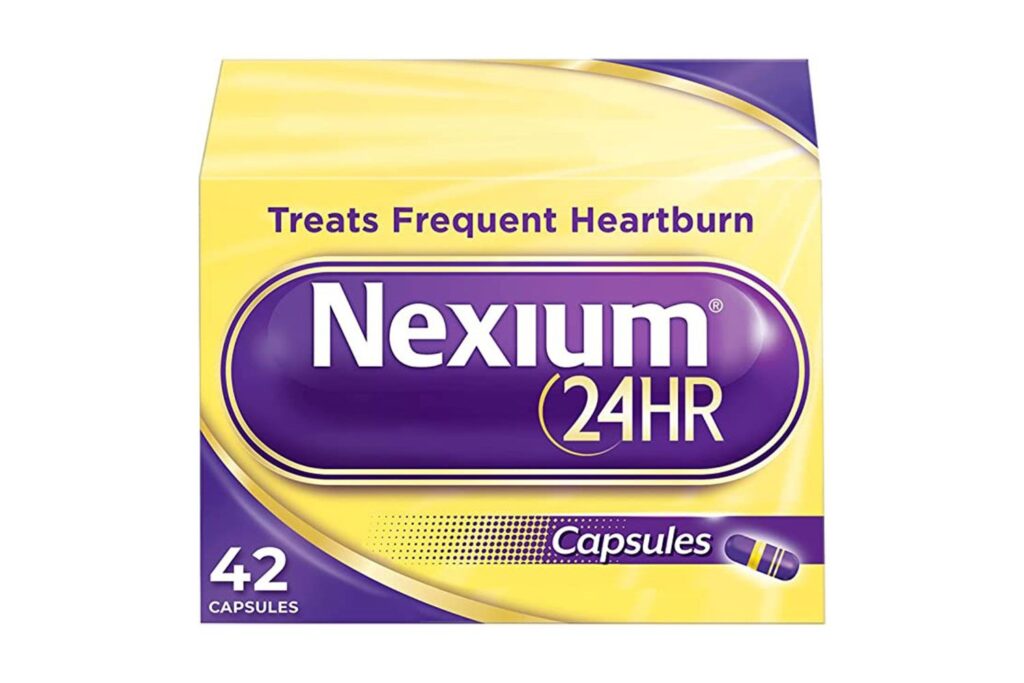
This image is property of www.verywellhealth.com.
Dosage and Instructions
To ensure optimal results and minimize the risk of side effects, it is important to follow the recommended dosage and instructions provided on the packaging or as advised by a healthcare professional.
Recommended dosage
The recommended dosage of an antacid varies depending on the specific product and the severity of symptoms. It is crucial to carefully read and follow the dosing instructions provided. Avoid exceeding the maximum daily dosage recommended to prevent potential risks or complications.
Frequency of administration
The frequency of antacid administration also varies depending on the individual and their symptoms. Some individuals may only need occasional use, while others may require regular or daily use for symptom management. It is essential to consult with a healthcare professional to determine the appropriate frequency for your specific needs.
Administration instructions
Different antacid formulations may have specific administration instructions. For example, some chewable tablets need to be chewed thoroughly before swallowing, while others may need to be dissolved in water. Pay attention to the specific instructions provided to ensure correct and effective administration.
Timing guidelines
Timing can play a role in the effectiveness of antacids. It is generally recommended to take antacids one to three hours after meals or at bedtime to help neutralize excess stomach acid during times of increased acid production. Discussing optimal timing with a healthcare professional can help maximize the benefits of antacid use.
Overdose and precautions
Excessive or prolonged use of antacids can lead to potential overdose or unwanted side effects. It is important to adhere to the recommended dosage and duration of use to avoid any complications. If you accidentally take more than the recommended amount or experience persistent symptoms despite correct usage, contact a healthcare professional for guidance.
Cost Considerations
Considering the cost of antacids is important, especially for individuals who rely on them for long-term symptom management. Exploring different pricing options and understanding the associated value for money can help make an informed purchasing decision.
Comparing prices
Antacids can vary in price depending on the brand, size, and the number of doses included. Comparing prices between different brands and formulations can help identify cost-effective options without compromising on quality or effectiveness.
Branded vs. generic options
Branded antacids are typically more expensive compared to generic alternatives. However, the active ingredients and effectiveness of both branded and generic antacids are often comparable. Choosing a generic antacid can provide significant cost savings without sacrificing effectiveness.
Value for money
When assessing the value for money, consider factors such as the number of doses provided, the duration of action, and the overall effectiveness of the antacid. It may be worthwhile to spend slightly more on a product that offers longer-lasting relief or provides additional benefits, depending on your specific needs and preferences.
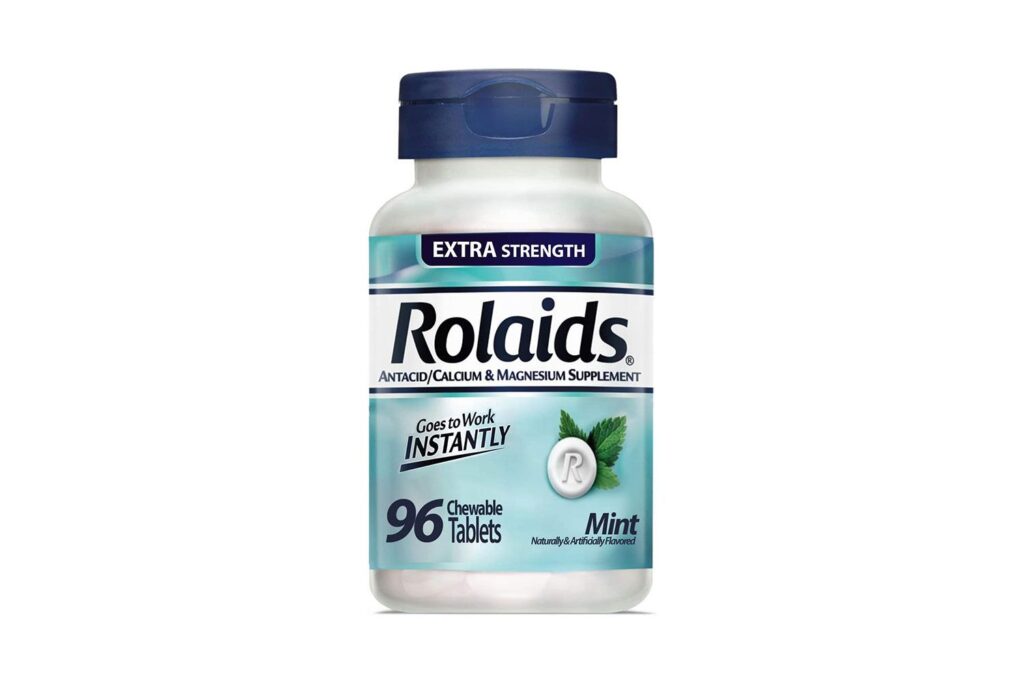
This image is property of www.verywellhealth.com.
Availability and Accessibility
The availability and accessibility of antacids are important factors to consider when selecting the right product. Convenient access ensures that you can obtain antacids when needed, minimizing discomfort and disruptions to daily life.
Over-the-counter antacids
Most antacids are available over-the-counter, meaning they can be purchased without a prescription. This accessibility allows for quick and easy procurement of antacids to relieve acute symptoms. However, it is essential to consult with a healthcare professional if symptoms persist or worsen.
Ease of purchase
Considering the ease of purchase is important, especially for individuals who rely on antacids for long-term symptom management. Look for antacids that are readily available at local pharmacies, grocery stores, or online retailers. Ensuring easy access to your preferred antacid can help maintain consistent use and symptom control.
Online and offline availability
Antacids can be purchased both online and offline, providing flexibility in terms of purchasing options. Offline availability allows for immediate acquisition of antacids from brick-and-mortar retail locations. Online availability offers the convenience of home delivery and the ability to compare prices and read consumer reviews before purchasing.
Prescription antacids
In certain cases, individuals with severe or chronic gastrointestinal conditions may require prescription-strength antacids. These prescription antacids are typically recommended and managed by healthcare professionals. If you require prescription antacids, ensure you have regular access to healthcare providers who can prescribe and monitor your medication as needed.
Consumer Reviews and Recommendations
Listening to consumer reviews and seeking recommendations can provide valuable insights into the effectiveness and reliability of different antacid products. Consider reviews from trusted sources and individuals with similar needs and preferences.
Researching product reviews
Before purchasing an antacid, take the time to read product reviews from reputable sources. Websites, forums, and online retail platforms often contain reviews from individuals who have previously used the product. These reviews can provide insights into the efficacy, tolerability, and overall consumer satisfaction with the antacid.
Considering personal preferences
Everyone’s preferences and needs may vary when it comes to antacids. Some individuals may prioritize rapid relief, while others may value long-lasting efficacy. Assess your personal preferences and requirements to determine which antacid aligns with your specific needs.
Seeking recommendations
Seeking recommendations from healthcare professionals, such as doctors or pharmacists, can help guide your decision-making process. These professionals can offer expertise and customize recommendations based on your individual health status, medication use, and specific symptoms. Consulting with trusted individuals who have experience with antacids can also help provide valuable insights and recommendations.

This image is property of www.verywellhealth.com.