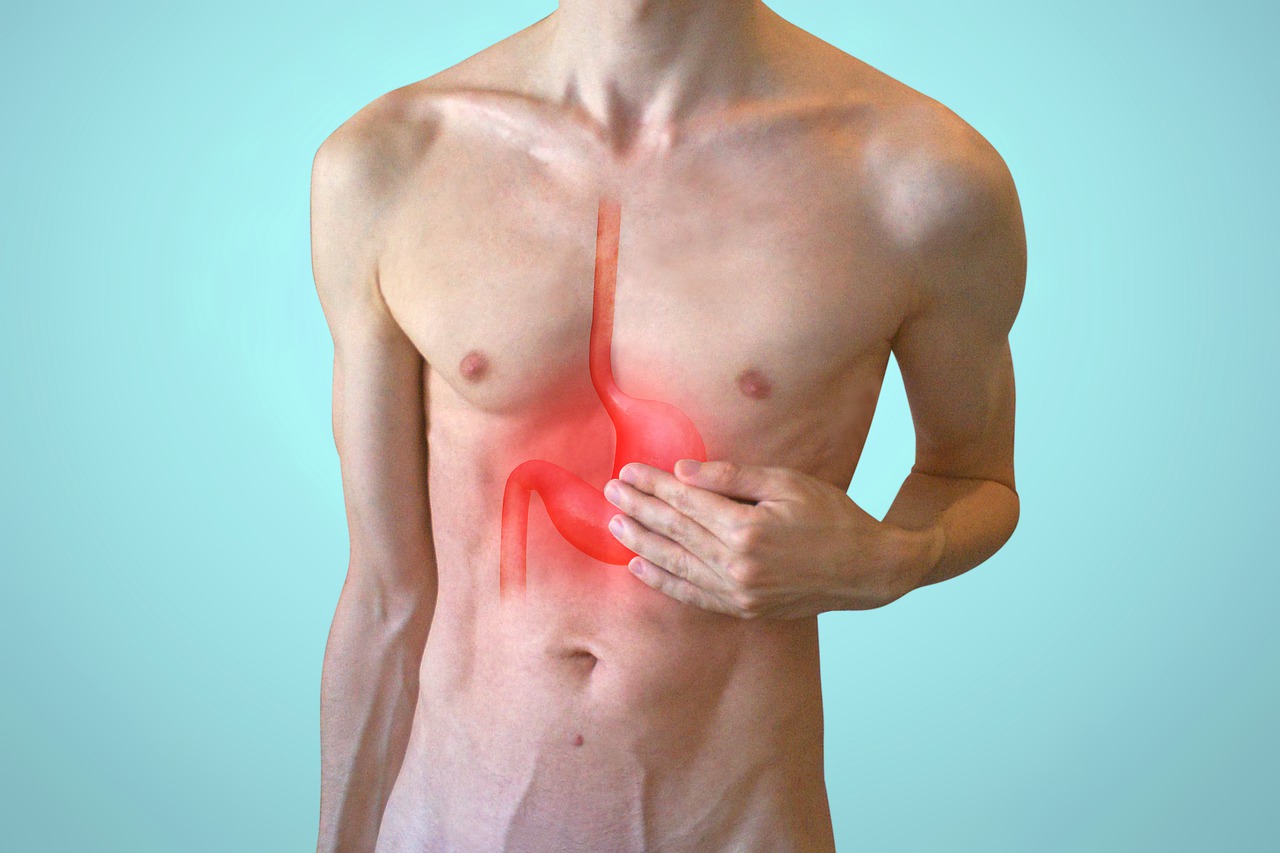
In the quest for a healthier lifestyle, managing acid reflux can be a common challenge. Thankfully, the science of snacking offers valuable insights about timing and portion control that can alleviate symptoms and help improve overall well-being. By understanding when and how much to eat, you can enjoy delicious snacks without the discomfort of acid reflux. Discover the secrets to snacking smartly and find relief from this digestive issue.
This image is property of pixabay.com.
Understanding Acid Reflux
What is Acid Reflux?
Acid reflux, also known as gastroesophageal reflux disease (GERD), is a condition where the stomach acid flows back up into the esophagus. This backward flow of acid can cause irritation and inflammation in the esophagus, leading to symptoms such as heartburn, regurgitation, and difficulty swallowing.
Causes of Acid Reflux
There are several factors that can contribute to the development of acid reflux. One common cause is a weakened lower esophageal sphincter (LES), which is the muscular valve that separates the stomach from the esophagus. When the LES is weak or relaxed, it allows stomach acid to flow back into the esophagus.
Other factors that can contribute to acid reflux include obesity, pregnancy, hiatal hernia, certain medications, smoking, and certain foods and beverages. It is important to identify and manage these underlying causes in order to effectively manage acid reflux symptoms.
Symptoms of Acid Reflux
The most common symptom of acid reflux is heartburn, which is a burning sensation in the chest that often occurs after eating or at night. Other symptoms may include regurgitation of food or sour liquid, difficulty swallowing, hoarseness, sore throat, coughing, and asthma-like symptoms.
It is important to note that not everyone with acid reflux experiences the same symptoms. Some individuals may have silent reflux, where they do not experience heartburn but still have other symptoms.
Effects of Acid Reflux on Digestion
Acid reflux can have a significant impact on digestion. When stomach acid flows back into the esophagus, it can cause inflammation and irritation. This can lead to difficulty swallowing, as well as a feeling of food getting stuck in the throat. The constant irritation of the esophagus can also lead to the development of esophagitis, which is inflammation and damage to the lining of the esophagus.
In addition, acid reflux can also disrupt the natural balance of stomach acid and enzymes required for proper digestion. This can result in symptoms such as bloating, gas, and indigestion. It is important to manage and treat acid reflux to ensure optimal digestive health.
Snacking and Acid Reflux
The Link Between Snacking and Acid Reflux
Snacking can have a significant impact on acid reflux symptoms. When you snack, especially on foods that are high in fat, spice, or acidity, it can increase the production of stomach acid and increase the likelihood of acid reflux episodes. Snacking also prolongs the period of time during which the stomach is producing acid, which can exacerbate symptoms of acid reflux.
The Role of Timing in Snacking
The timing of your snacks can also influence acid reflux symptoms. Eating too close to bedtime can increase the likelihood of acid reflux as lying down after a meal can allow stomach acid to flow back up into the esophagus more easily. It is recommended to avoid snacking within two to three hours of bedtime to minimize the risk of acid reflux symptoms.
The Role of Portion Control in Snacking
Portion control is another important aspect to consider when snacking with acid reflux. Consuming large portions of food, even if they are otherwise considered reflux-friendly, can put pressure on the stomach and increase the likelihood of acid reflux episodes. It is important to practice portion control and listen to your body’s cues of fullness to avoid overeating.
Timing and Acid Reflux
The Importance of Meal Timing
In addition to the timing of snacks, meal timing also plays a crucial role in managing acid reflux. Eating smaller, more frequent meals throughout the day as opposed to fewer large meals can help prevent excessive stomach acid production and reduce the risk of acid reflux. This approach allows for better digestion and reduces the likelihood of stomach acid flowing back into the esophagus.
The Impact of Late-Night Snacking
Late-night snacking can be particularly problematic for individuals with acid reflux. Eating close to bedtime not only increases the risk of acid reflux episodes due to lying down, but it can also disrupt sleep quality and lead to symptoms such as coughing and hoarseness during the night. It is recommended to avoid late-night snacking and allow for a few hours of digestion before lying down to sleep.
Recommended Snacking Schedule for Acid Reflux
To minimize the risk of acid reflux, it is recommended to have a structured snacking schedule. Opt for smaller, reflux-friendly snacks between meals to keep hunger at bay without overloading the stomach. Aim for snacks that are low in fat, spice, and acidity to reduce the risk of triggering acid reflux symptoms.
Portion Control and Acid Reflux
Why Portion Control Matters for Acid Reflux
Portion control is crucial for managing acid reflux symptoms. Consuming large portions of food can put pressure on the stomach, causing it to expand and increase the likelihood of acid reflux episodes. By practicing portion control, you can prevent overeating and minimize the risk of triggering acid reflux symptoms.
Recommended Portion Sizes for Snacks
When snacking with acid reflux, it is important to be mindful of portion sizes. Aim for smaller, more frequent snacks throughout the day rather than large meals. Recommended portion sizes for snacks include:
- Half a cup of yogurt or cottage cheese
- A small handful of nuts or seeds
- A small piece of fruit
- A few whole grain crackers with a smear of nut butter
By sticking to these portion sizes, you can satisfy your hunger and reduce the risk of acid reflux symptoms.
Tips for Practicing Portion Control
Practicing portion control can be challenging, especially with tempting snacks. Here are some tips to help you stick to appropriate portion sizes:
- Use smaller plates and bowls to create the illusion of a fuller plate.
- Measure out snacks in advance to ensure you are consuming the correct portion size.
- Chew slowly and savor each bite to help you recognize feelings of fullness.
- Avoid eating straight from the bag or container, as it is easy to lose track of how much you have consumed.
- Listen to your body’s cues of hunger and fullness to guide your portion control decisions.
By implementing these tips, you can successfully practice portion control and manage your acid reflux symptoms.
Snack Choices for Acid Reflux
Foods to Avoid
When snacking with acid reflux, there are certain foods and beverages that should be avoided to minimize the risk of symptoms. These include:
- Spicy foods: Spices can irritate the esophagus and trigger acid reflux. Avoid snacks that are heavily spiced or contain hot sauces.
- Citrus fruits and juices: Citrus fruits are highly acidic and can worsen acid reflux symptoms. Steer clear of oranges, grapefruits, lemons, and their juices.
- Tomatoes and tomato-based products: Tomatoes are highly acidic and can trigger acid reflux. This includes snacks such as tomato sauce, salsa, and ketchup.
- Chocolate: Chocolate contains a compound called theobromine, which can relax the lower esophageal sphincter and increase the risk of acid reflux.
- Fried and fatty foods: High-fat snacks can slow down digestion and increase the risk of acid reflux. Avoid fried chips, greasy snacks, and fatty desserts.
Foods to Include
While there are certain foods to avoid, there are also many reflux-friendly options available for snacking. These include:
- Non-citrus fruits: Opt for fruits such as bananas, melons, and apples, which are lower in acidity and less likely to trigger acid reflux.
- Whole grains: Snacks that incorporate whole grains, such as whole grain crackers or breadsticks, can be a good choice for individuals with acid reflux.
- Lean proteins: Snacks that contain lean proteins, such as low-fat Greek yogurt or small portions of grilled chicken or turkey, can be filling without triggering acid reflux.
- Vegetables: Non-spicy vegetables, such as carrots, cucumbers, and bell peppers, can be enjoyed as healthy snacks for individuals with acid reflux.
- Non-acidic dairy products: Opt for low-fat or non-fat dairy products, such as skim milk or low-fat cheese, which are less likely to trigger acid reflux symptoms.
Smart Snack Options
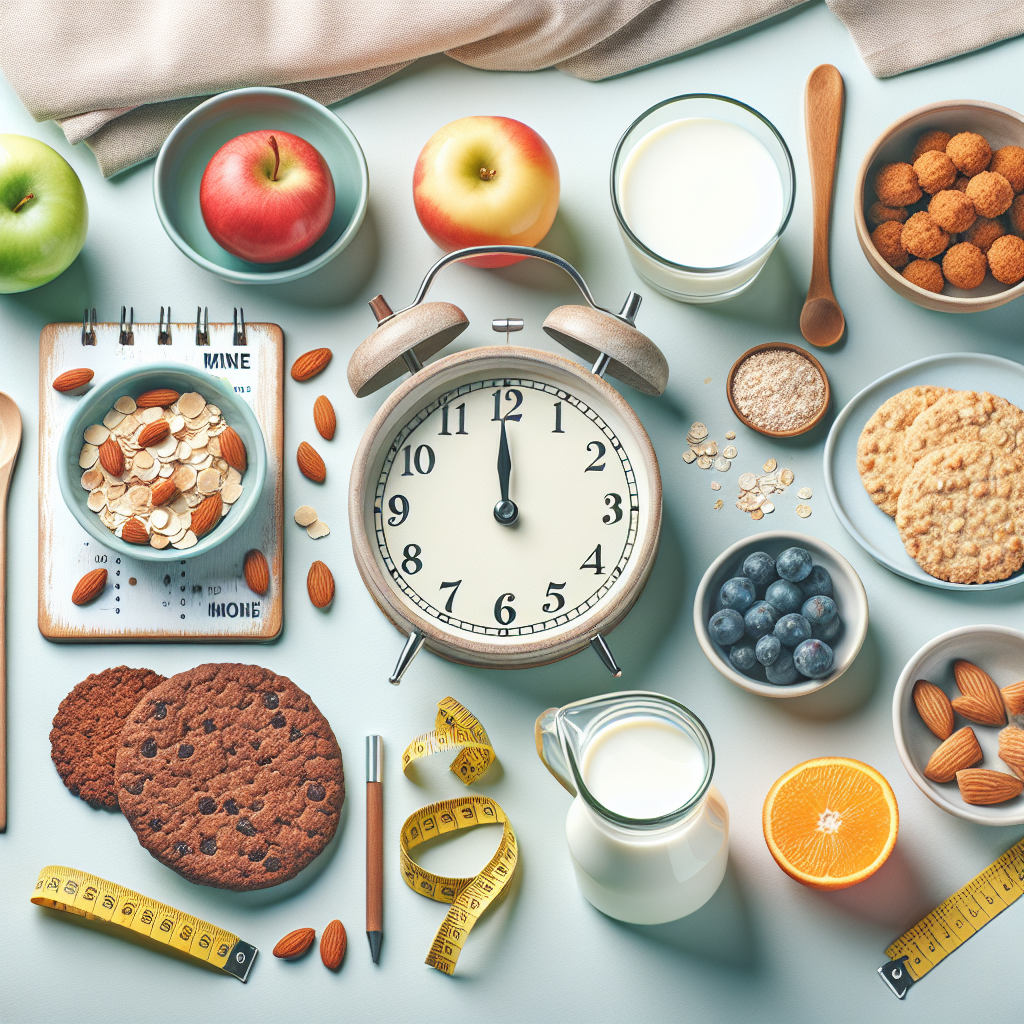
There are many smart snack options that are both reflux-friendly and satisfying. Consider these ideas for snacks that are both delicious and won’t exacerbate your acid reflux symptoms:
- A small apple with a tablespoon of almond butter
- Greek yogurt with a sprinkle of granola and berries
- Whole grain crackers with hummus and sliced cucumbers
- Baby carrots with a small portion of low-fat ranch dip
- A handful of almonds or walnuts with a piece of low-acidity fruit
By choosing smart snack options, you can enjoy your treats while minimizing the risk of triggering acid reflux symptoms.
Other Strategies to Manage Acid Reflux
Maintaining a Healthy Weight
Maintaining a healthy weight is crucial for managing acid reflux symptoms. Excess weight can put pressure on the stomach, leading to the flow of stomach acid back into the esophagus. It is important to follow a balanced diet, engage in regular physical activity, and strive for a healthy body weight to reduce the risk of acid reflux.
Eating Slowly and Mindfully
Eating slowly and mindfully can also help manage acid reflux symptoms. By chewing your food thoroughly and taking your time with each bite, you allow for better digestion and minimize the risk of overeating. Additionally, being mindful of your body’s cues of hunger and fullness can help you make better food choices and reduce the risk of acid reflux.
Avoiding Trigger Foods
Avoiding trigger foods is essential for managing acid reflux. Everyone’s triggers may be different, so it is important to pay attention to your body’s response to certain foods and beverages. Common trigger foods include spicy foods, citrus fruits, tomatoes, chocolate, and fried or fatty foods. By avoiding these trigger foods, you can minimize the risk of acid reflux symptoms.

Conclusion
Understanding acid reflux is key to managing this common digestive disorder. By implementing strategies such as smart snacking, portion control, and avoiding trigger foods, you can minimize the risk of acid reflux symptoms and promote better digestive health. Remember to be mindful of your eating habits, practice portion control, and choose reflux-friendly snacks to ensure a comfortable and enjoyable snacking experience. With these tips, you can snack without worrying about acid reflux.