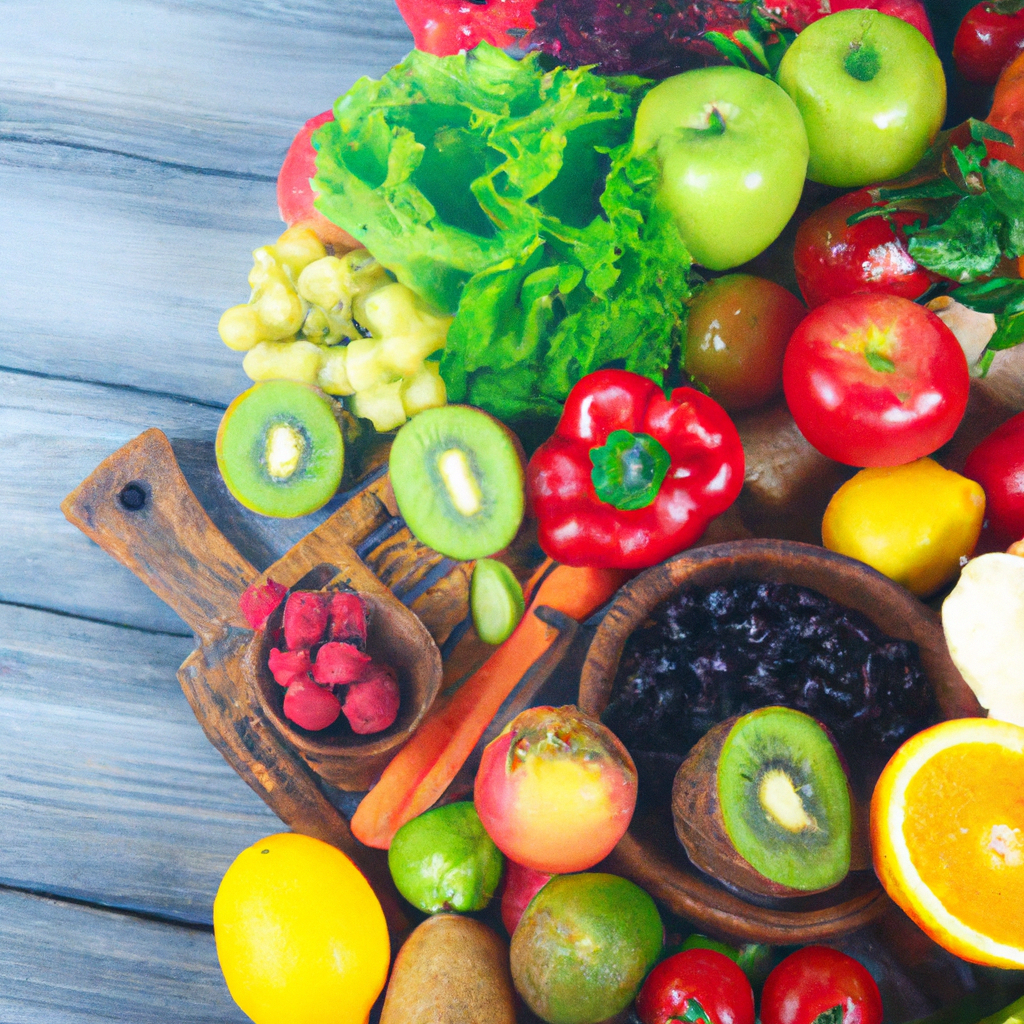
Are you tired of living with the discomfort of acid reflux? The Acid Reflux Detox is here to help you find relief by cleansing your diet. By making simple changes to what you eat, you can reduce the frequency and severity of your symptoms, and finally reclaim control over your digestive health. In this article, we will explore the foods and habits that contribute to acid reflux, and provide practical tips for detoxing your diet. Say goodbye to heartburn and hello to a refreshed, revitalized you!

This image is property of pixabay.com.
Understanding Acid Reflux
Acid reflux, also known as gastroesophageal reflux disease (GERD), is a common digestive disorder that occurs when the acid from your stomach flows back into your esophagus. This can cause a variety of uncomfortable symptoms such as heartburn, regurgitation, chest pain, and difficulty swallowing. Understanding the causes and symptoms of acid reflux is essential in order to effectively manage and relieve this condition.
Causes of Acid Reflux
There are several factors that can contribute to the development of acid reflux. One of the most common causes is a weakened lower esophageal sphincter (LES), which is the muscle that closes off the opening between your esophagus and stomach. When the LES is weak, it can allow stomach acid to flow back into the esophagus. Other factors that may contribute to acid reflux include obesity, hiatal hernia, certain medications, smoking, and pregnancy.
Symptoms of Acid Reflux
Recognizing the symptoms of acid reflux is crucial for early detection and proper treatment. The most common symptom is heartburn, which is a burning sensation in the chest that often occurs after eating or lying down. Other symptoms include regurgitation of food or sour liquid, chest pain or discomfort, difficulty swallowing, a chronic cough, hoarseness, or a sore throat. If you experience any of these symptoms regularly, it is important to consult with a healthcare professional for an accurate diagnosis.
The Acid Reflux Detox Plan
If you are suffering from acid reflux, following a detox plan can help cleanse your diet and alleviate your symptoms. This detox plan involves eliminating trigger foods, including anti-inflammatory foods, and ensuring proper hydration.
Eliminating Trigger Foods
Certain foods can trigger or worsen acid reflux symptoms in individuals. It is important to identify and eliminate these trigger foods from your diet as part of the detox plan. Common trigger foods include spicy foods, citrus fruits, chocolate, alcohol, caffeine, and high-fat foods. By avoiding these triggers, you can significantly reduce the occurrence of acid reflux symptoms and promote healing.
Including Anti-Inflammatory Foods
Incorporating anti-inflammatory foods into your diet can help reduce inflammation in the esophagus and promote healing. These foods include leafy green vegetables, ginger, turmeric, oatmeal, and probiotic foods. Leafy green vegetables are rich in vitamins and minerals that support digestion, while ginger and turmeric have natural anti-inflammatory properties. Oatmeal is a soothing food that can help absorb excess stomach acid, and probiotic foods such as yogurt can promote a healthy gut and aid in digestion.
Drinking Plenty of Water
Staying hydrated is crucial for managing acid reflux symptoms. Drinking plenty of water throughout the day helps dilute stomach acid and flushes out toxins, promoting a healthy digestive system. It is recommended to drink at least eight glasses of water per day and to avoid drinking large amounts of fluids with meals, as this can increase the risk of acid reflux.
Creating a Balanced Diet
Following a balanced diet is essential for managing acid reflux and promoting overall digestive health. This involves choosing whole foods and incorporating fiber-rich foods into your meals.
Choosing Whole Foods
Whole foods are minimally processed and contain high levels of nutrients, making them an essential part of a healthy diet. When suffering from acid reflux, it is important to prioritize whole foods such as fruits, vegetables, lean proteins, whole grains, and healthy fats. These foods are easier to digest and less likely to trigger acid reflux symptoms compared to highly processed foods and fast food.
Incorporating Fiber-Rich Foods
Fiber-rich foods are known to promote healthy digestion and can help alleviate symptoms of acid reflux. Foods such as whole grains, fruits, vegetables, and legumes are excellent sources of fiber. By incorporating these foods into your diet, you can maintain regular bowel movements, reduce the risk of constipation, and prevent the buildup of excess stomach acid.
Avoiding Trigger Foods
Certain foods have been found to trigger or worsen acid reflux symptoms in many individuals. By avoiding these trigger foods, you can significantly reduce the occurrence of acid reflux episodes.
High-Fat Foods
Foods that are high in fat can relax the lower esophageal sphincter, allowing stomach acid to flow back into the esophagus. It is important to avoid or limit consumption of fried foods, fatty meats, full-fat dairy products, and oily dressings or sauces.
Citrus Fruits
Citrus fruits such as oranges, lemons, grapefruits, and tomatoes are highly acidic and can irritate the esophagus. It is recommended to avoid or reduce consumption of these fruits, or to consume them in moderation and in combination with non-acidic foods.
Spicy Foods
Spicy foods can trigger acid reflux symptoms in many individuals. Ingredients such as chili peppers, garlic, onions, and hot sauces should be avoided or consumed in small quantities to prevent discomfort.
Chocolate and Sweets
Chocolate and sweets can relax the LES and increase the risk of acid reflux. It is advisable to limit consumption of chocolate, candy, desserts, and sugary beverages to minimize symptoms.
Caffeine
Caffeinated beverages such as coffee, tea, and sodas can stimulate the production of stomach acid and worsen acid reflux symptoms. It is recommended to switch to decaffeinated alternatives or herbal teas to reduce the risk of acid reflux.
Alcohol
Alcohol can relax the LES and increase stomach acid production, leading to acid reflux symptoms. It is important to limit or avoid alcohol consumption, particularly spirits, wine, and beer.

Including Anti-Inflammatory Foods
Incorporating anti-inflammatory foods into your diet can help reduce inflammation in the esophagus and alleviate acid reflux symptoms.
Leafy Green Vegetables
Leafy green vegetables such as spinach, kale, and arugula are rich in vitamins, minerals, and antioxidants that promote digestion and reduce inflammation. They are also low in acid, making them a safe and healthy choice for individuals with acid reflux.
Ginger
Ginger has natural anti-inflammatory properties and can help soothe the digestive system. Adding fresh ginger to meals, drinking ginger tea, or taking ginger supplements can be beneficial in managing acid reflux symptoms.
Turmeric
Turmeric contains curcumin, a compound known for its anti-inflammatory properties. Adding turmeric to dishes or taking turmeric supplements can help reduce inflammation in the esophagus and alleviate acid reflux symptoms.
Oatmeal
Oatmeal is a soothing food that can help absorb excess stomach acid. It is also a good source of dietary fiber, which aids in digestion and promotes regular bowel movements. Opt for plain oatmeal without added sugar for best results.
Probiotic Foods
Probiotic foods such as yogurt, kefir, sauerkraut, and kimchi contain beneficial bacteria that promote a healthy gut. These probiotics can improve digestion and reduce the risk of acid reflux. Incorporating these foods into your diet can provide relief from acid reflux symptoms.
Drinking Plenty of Water
Staying hydrated is important for overall health and can help alleviate acid reflux symptoms.
Importance of Hydration
Proper hydration is essential for maintaining a healthy digestive system. Water helps break down food, absorb nutrients, and regulate bowel movements. It also helps dilute stomach acid, reducing the risk of acid reflux.
Benefits of Drinking Water for Acid Reflux
Drinking water can help flush out toxins, improve digestion, and soothe the esophagus. It is recommended to drink at least eight glasses of water per day, and to sip water throughout the day rather than chugging large amounts at once. Avoid drinking excessive amounts of fluids with meals, as this can increase the likelihood of acid reflux.

Meal Planning Tips
Making certain adjustments to your meal planning can help manage acid reflux symptoms and promote healthy digestion.
Small and Frequent Meals
Instead of consuming large meals, opt for smaller, more frequent meals throughout the day. This allows the stomach to digest food more easily and reduces the risk of acid reflux. Avoid overeating and take your time to eat slowly and mindfully.
Chewing Food Properly
Properly chewing your food is essential for digestion. Chewing thoroughly helps break down food into smaller particles, making it easier for the stomach to digest. This can reduce the risk of acid reflux and promote optimal nutrient absorption.
Avoiding Late-Night Eating
Eating close to bedtime can increase the risk of acid reflux symptoms. It is recommended to avoid eating at least two to three hours before going to bed. This allows the stomach to empty properly and reduces the likelihood of stomach acid flowing back into the esophagus.
Herbal Remedies for Acid Reflux
In addition to dietary adjustments, certain herbal remedies can provide relief from acid reflux symptoms.
Chamomile Tea
Chamomile tea has soothing properties that can help ease digestive discomfort and reduce inflammation in the esophagus. Enjoy a cup of chamomile tea after meals or before bedtime to alleviate acid reflux symptoms.
Licorice Root
Licorice root is known for its anti-inflammatory properties and can help soothe the esophagus. Consider consuming licorice root as a tea or in supplement form, but be sure to consult with a healthcare professional beforehand.
Marshmallow Root
Marshmallow root can help protect the lining of the esophagus and reduce inflammation. It is available in tea or supplement form and can provide relief from acid reflux symptoms.
Slippery Elm
Slippery elm contains mucilage, a substance that coats and soothes the esophagus. It is available as a supplement or in tea form and can help alleviate acid reflux symptoms. Consult with a healthcare professional for proper usage and dosage.
Lifestyle Changes for Acid Reflux
In addition to dietary adjustments and herbal remedies, certain lifestyle changes can help manage acid reflux symptoms.
Maintaining a Healthy Weight
Excess weight can put pressure on the stomach, leading to acid reflux. Maintaining a healthy weight through a balanced diet and regular exercise can reduce the risk of acid reflux and promote overall digestive health.
Avoiding Tight Clothing
Wearing tight-fitting clothes, particularly around the waist, can increase pressure on the stomach and contribute to acid reflux. Opt for loose-fitting clothing that allows your stomach to expand properly and minimizes discomfort.
Elevating the Head of the Bed
Elevating the head of your bed by six to eight inches can help prevent stomach acid from flowing back into the esophagus while sleeping. This can be achieved by using bed risers or placing a foam wedge under the mattress.
Seeking Professional Guidance
If you are suffering from chronic or severe acid reflux symptoms, it is important to seek professional guidance for an accurate diagnosis and personalized treatment plan.
Consulting a Gastroenterologist
A gastroenterologist specializes in the diagnosis and treatment of digestive disorders, including acid reflux. They can perform necessary tests, such as an endoscopy or pH monitoring, to evaluate the severity of your condition and recommend appropriate treatment options.
Working with a Registered Dietitian
A registered dietitian can provide personalized dietary guidance and meal planning support for managing acid reflux. They can help you identify trigger foods, design a balanced diet, and offer recommendations for incorporating anti-inflammatory foods into your meals. Working with a dietitian can greatly enhance your acid reflux management plan.
By following the acid reflux detox plan, making dietary adjustments, incorporating anti-inflammatory foods, staying hydrated, and implementing lifestyle changes, you can effectively manage and alleviate acid reflux symptoms. Remember to consult with a healthcare professional for personalized advice and guidance.