
Imagine being able to enjoy a delicious dinner without the fear of your acid reflux acting up. With our collection of specially curated dinner recipes, we have just the solution for you. These recipes are not only flavorful and satisfying, but they are also designed to be gentle on your stomach, ensuring that you can savor every bit without any discomfort. Say goodbye to bland and boring meals and say hello to a world of mouth-watering dishes that will leave you wanting more. Get ready to indulge in a culinary experience that not only nourishes your body but also satisfies your taste buds. It’s time to savor the flavor!
Introduction
Understanding Acid Reflux
Acid reflux, also known as gastroesophageal reflux disease (GERD), is a common digestive disorder that occurs when stomach acid flows back into the esophagus. This can cause symptoms such as heartburn, chest pain, difficulty swallowing, and a sour taste in the mouth. Acid reflux occurs when the lower esophageal sphincter, a muscle that normally prevents the backflow of stomach acid, becomes weak or relaxes abnormally.
The Importance of Diet for Acid Reflux Sufferers
Managing acid reflux is crucial to reduce symptoms and improve overall quality of life. One of the most effective ways to manage acid reflux is by adopting a healthy diet. By making smart food choices and avoiding trigger foods, you can alleviate symptoms and promote better digestive health.
Tips for Managing Acid Reflux through Diet
Avoiding Trigger Foods
Certain foods can trigger or worsen acid reflux symptoms. These include spicy foods, citrus fruits, tomatoes, chocolate, caffeine, fatty foods, and carbonated beverages. It’s essential to identify your personal trigger foods and avoid them to prevent acid reflux flare-ups.
Eating Small, Frequent Meals
Instead of consuming large meals, it’s advised to have smaller, more frequent meals throughout the day. This helps to reduce the pressure on the lower esophageal sphincter and prevents excessive stomach acid production. Eating slowly and chewing your food thoroughly can also aid in better digestion.
Avoiding Eating Late at Night
Eating close to bedtime can exacerbate acid reflux symptoms, as lying down after a meal can cause stomach acid to flow back into the esophagus. To prevent this, it’s best to avoid eating at least two to three hours before going to bed.
Chewing Food Thoroughly
Properly chewing your food is important for those with acid reflux. By breaking down your food into smaller particles, you make it easier for your digestive system to process it. This reduces the strain on your stomach and decreases the likelihood of acid reflux.
Maintaining a Healthy Weight
Excess weight can put pressure on your abdomen and increase the risk of acid reflux. Therefore, maintaining a healthy weight is crucial for managing the condition. Regular exercise and a balanced diet can help you achieve and maintain a healthy weight, reducing the occurrence of acid reflux symptoms.
Quitting Smoking
Smoking not only damages your lungs and overall health but also increases your risk of developing acid reflux. Smoking weakens the lower esophageal sphincter and interferes with the proper functioning of the digestive system. Quitting smoking is essential for managing acid reflux and improving your overall health.
Minimizing Alcohol Consumption
Alcohol can relax the lower esophageal sphincter, allowing stomach acid to flow back into the esophagus. To minimize acid reflux symptoms, it’s important to limit your alcohol consumption. Opt for non-acidic, low-alcohol beverages if you do choose to drink.
Drinking Plenty of Water
Staying hydrated is important for managing acid reflux. Drinking plenty of water throughout the day helps dilute stomach acid and aids in proper digestion. It’s recommended to drink water between meals rather than during meals to prevent excessive stomach acid production.
Elevating the Head of the Bed
To prevent nighttime acid reflux symptoms, elevating the head of your bed can be helpful. This can be done by placing blocks or a wedge under the bed frame to raise it by a few inches. This elevation helps prevent stomach acid from flowing back into the esophagus while you sleep.
Managing Stress and Anxiety
Stress and anxiety can exacerbate acid reflux symptoms. To manage these triggers, it’s important to practice stress-reducing techniques such as meditation, deep breathing exercises, or engaging in activities that bring you joy. Prioritizing self-care and finding healthy ways to cope with stress can greatly improve your acid reflux symptoms.
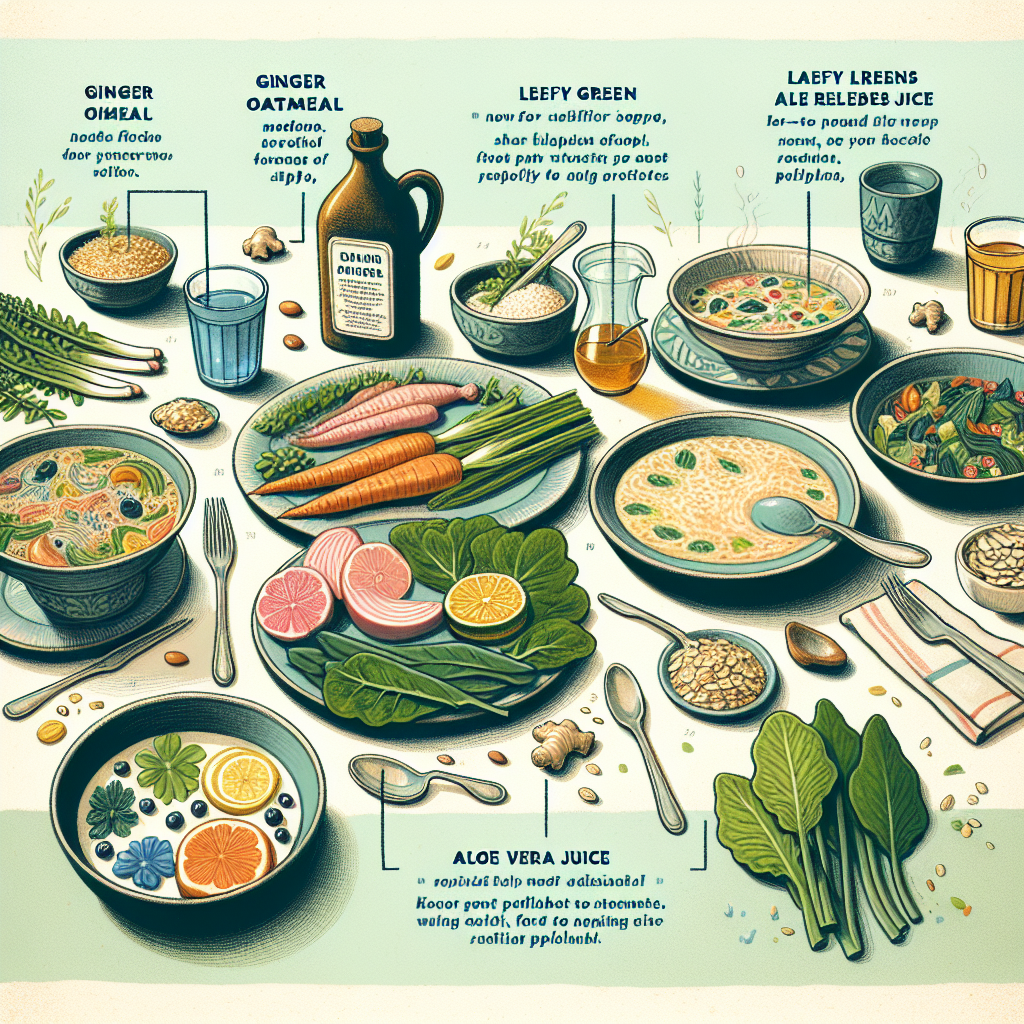
Acid Reflux-Friendly Ingredients
Ginger
Ginger has long been lauded for its digestive benefits and can help alleviate acid reflux symptoms. It has anti-inflammatory properties that can reduce inflammation in the esophagus and improve digestion. Ginger can be consumed in various forms, such as in teas, smoothies, or as a spice in cooking.
Oatmeal
Oatmeal is a filling and fiber-rich food that is gentle on the digestive system. It helps absorb excess stomach acid and provides sustained energy throughout the day. Opt for plain oatmeal without added sugars or artificial flavors for the best results.
Leafy Greens
Leafy greens such as spinach, kale, and Swiss chard are excellent choices for acid reflux sufferers. They are low in calories and high in nutrients, providing essential vitamins and minerals without triggering acid reflux symptoms. Incorporate these greens into salads, smoothies, or sautéed dishes for a healthy and acid reflux-friendly meal.
Soy Products
Soy products, such as tofu and tempeh, are great alternatives to meat for acid reflux sufferers. They are low in fat and high in protein, making them easily digestible. Experiment with different soy-based recipes to replace meat in your favorite dishes.
Lean Protein Sources
Lean protein sources like skinless poultry, fish, and beans are recommended for those with acid reflux. These proteins are easier to digest compared to fatty cuts of meat and can provide essential nutrients without causing irritation. Be sure to prepare these proteins using non-acidic cooking techniques such as baking, steaming, or grilling.
Non-acidic Fruits
Certain fruits, such as bananas, melons, and apples, are considered non-acidic and can be enjoyed by acid reflux sufferers. These fruits are low in acidity and less likely to trigger symptoms. Incorporate them into your diet as snacks or as ingredients in acid reflux-friendly recipes.
Whole Grains
Whole grains like brown rice, quinoa, and whole wheat bread are excellent choices for those with acid reflux. They are high in fiber and less likely to cause digestive discomfort. Substitute refined grains with whole grains in your meals to promote better digestion and reduce acid reflux symptoms.
Healthy Fats
Not all fats are created equal when it comes to acid reflux. Opt for healthy fats like avocados, nuts, and olive oil, which are less likely to trigger symptoms. These fats are rich in nutrients and can be added to meals in moderation to enhance flavor and promote better digestion.
Herbs and Spices
Certain herbs and spices, such as parsley, cilantro, and turmeric, can aid in digestion and promote a healthy gut. These herbs and spices can be used to add flavor to acid reflux-friendly recipes without causing discomfort. Experiment with new herbs and spices to enhance the taste of your meals while managing acid reflux.
Low-fat Dairy
Low-fat dairy products, such as yogurt and skim milk, can be enjoyed by acid reflux sufferers in moderation. These dairy products are lower in fat and less likely to trigger symptoms compared to high-fat alternatives. Incorporate them into your diet as part of a well-balanced and acid reflux-friendly meal plan.
Delicious Dinner Recipes for Acid Reflux Sufferers
Baked Ginger Chicken with Quinoa
Ingredients:
- 4 boneless, skinless chicken breasts
- 2 tablespoons grated ginger
- 2 tablespoons olive oil
- 1 tablespoon low-sodium soy sauce
- 1 cup cooked quinoa
- Salt and pepper to taste
Instructions:
- Preheat the oven to 375°F (190°C).
- In a small bowl, mix together grated ginger, olive oil, and soy sauce.
- Place the chicken breasts in a baking dish and pour the ginger mixture over them.
- Season the chicken with salt and pepper.
- Bake for 25-30 minutes or until the chicken is cooked through.
- Serve with cooked quinoa on the side.
Oatmeal and Berry Stuffed Peppers
Ingredients:
- 2 large bell peppers
- 1 cup cooked oatmeal
- 1 cup mixed berries (strawberries, blueberries, raspberries)
- 2 tablespoons honey
Instructions:
- Preheat the oven to 375°F (190°C).
- Cut the top off the bell peppers and remove the seeds and membranes.
- In a bowl, mix cooked oatmeal, mixed berries, and honey.
- Spoon the oatmeal and berry mixture into the bell peppers.
- Place the stuffed peppers in a baking dish and bake for 20-25 minutes or until the peppers are tender.
- Serve as a healthy and flavorful dinner option.
Grilled Salmon with Spinach and Brown Rice
Ingredients:
- 4 salmon fillets
- 2 cups fresh spinach
- 2 cups cooked brown rice
- 1 tablespoon lemon juice
- Salt and pepper to taste
Instructions:
- Preheat the grill to medium heat.
- Season the salmon fillets with lemon juice, salt, and pepper.
- Place the salmon fillets on the grill and cook for 4-5 minutes per side or until the fish is cooked through.
- In a separate pan, wilt the fresh spinach over medium heat.
- Serve the grilled salmon over a bed of spinach and cooked brown rice.
Tofu Stir-Fry with Leafy Greens
Ingredients:
- 1 package firm tofu, drained and cubed
- 2 cups mixed leafy greens (spinach, kale, Swiss chard)
- 1 tablespoon low-sodium soy sauce
- 1 tablespoon sesame oil
- 2 cloves garlic, minced
- 1 teaspoon grated ginger
- Salt and pepper to taste
Instructions:
- Heat sesame oil in a large skillet or wok over medium heat.
- Add minced garlic and grated ginger, and stir-fry for 1-2 minutes.
- Add cubed tofu and cook until lightly browned on all sides.
- Stir in the mixed leafy greens and soy sauce, and cook until the greens are wilted.
- Season with salt and pepper to taste.
- Serve over rice or quinoa for a complete and satisfying meal.
Lean Turkey Meatballs with Whole Wheat Pasta
Ingredients:
- 1 pound lean ground turkey
- 1/2 cup whole wheat breadcrumbs
- 1/4 cup grated Parmesan cheese
- 1 teaspoon dried oregano
- 1 teaspoon dried basil
- 1/2 teaspoon garlic powder
- 1 jar low-acid tomato sauce
- 8 ounces whole wheat pasta
Instructions:
- Preheat the oven to 375°F (190°C).
- In a large bowl, combine ground turkey, breadcrumbs, Parmesan cheese, dried oregano, dried basil, and garlic powder.
- Shape the mixture into meatballs and place them on a baking sheet lined with parchment paper.
- Bake the meatballs for 20-25 minutes or until cooked through.
- In a separate pot, cook the whole wheat pasta according to package instructions.
- Heat the low-acid tomato sauce in a saucepan over medium heat.
- Serve the cooked meatballs and whole wheat pasta with the tomato sauce.
Eggplant and Zucchini Ratatouille with Quinoa
Ingredients:
- 1 eggplant, diced
- 2 zucchinis, sliced
- 1 onion, chopped
- 2 cloves garlic, minced
- 1 can low-acid diced tomatoes
- 1 teaspoon dried thyme
- 1 teaspoon dried rosemary
- 1 cup cooked quinoa
- Salt and pepper to taste
Instructions:
- Heat olive oil in a large skillet over medium heat.
- Add chopped onion and minced garlic, and sauté until fragrant.
- Add diced eggplant, sliced zucchinis, diced tomatoes, dried thyme, and dried rosemary to the skillet.
- Cook for 10-15 minutes, or until the vegetables are tender.
- Season with salt and pepper to taste.
- Serve the ratatouille over cooked quinoa for a hearty and flavorful meal.
Roasted Chicken Breast with Steamed Vegetables
Ingredients:
- 4 boneless, skinless chicken breasts
- 2 cups mixed vegetables (broccoli, cauliflower, carrots)
- 2 tablespoons olive oil
- 1 teaspoon dried Italian seasoning
- Salt and pepper to taste
Instructions:
- Preheat the oven to 425°F (220°C).
- Place the chicken breasts on a baking sheet lined with parchment paper.
- Drizzle with olive oil and sprinkle with dried Italian seasoning, salt, and pepper.
- Roast in the oven for 20-25 minutes or until the chicken is cooked through.
- In a separate pot, steam the mixed vegetables until tender.
- Serve the roasted chicken breast with steamed vegetables for a simple and healthy dinner option.
Spaghetti Squash Carbonara
Ingredients:
- 1 spaghetti squash
- 4 slices bacon, cooked and crumbled
- 2 cloves garlic, minced
- 2 eggs
- 1/4 cup grated Parmesan cheese
- 1/4 cup chopped fresh parsley
- Salt and pepper to taste
Instructions:
- Preheat the oven to 400°F (200°C).
- Cut the spaghetti squash in half lengthwise and remove the seeds.
- Place the squash halves cut side down on a baking sheet lined with parchment paper.
- Bake for 40-45 minutes or until the squash is tender.
- In a skillet, sauté minced garlic until fragrant.
- In a bowl, whisk together eggs, grated Parmesan cheese, and chopped fresh parsley.
- Using a fork, scrape the flesh of the baked spaghetti squash into the skillet.
- Add the crumbled bacon and egg mixture to the skillet, and stir until the ingredients are well combined.
- Season with salt and pepper to taste.
- Serve the spaghetti squash carbonara as a delicious and low-acid dinner option.
Grilled Shrimp and Pineapple Skewers
Ingredients:
- 1 pound shrimp, peeled and deveined
- 2 cups pineapple chunks
- 2 tablespoons olive oil
- 1 teaspoon paprika
- 1/2 teaspoon garlic powder
- Salt and pepper to taste
Instructions:
- Preheat the grill to medium heat.
- In a bowl, combine shrimp, pineapple chunks, olive oil, paprika, garlic powder, salt, and pepper.
- Thread the shrimp and pineapple onto skewers.
- Place the skewers on the grill and cook for 2-3 minutes per side or until the shrimp is cooked through.
- Serve the grilled shrimp and pineapple skewers with a side of mixed greens for a light and flavorful dinner.
Spinach and Feta Stuffed Chicken
Ingredients:
- 4 boneless, skinless chicken breasts
- 2 cups fresh spinach
- 1/2 cup crumbled feta cheese
- 2 tablespoons olive oil
- 1 teaspoon dried oregano
- Salt and pepper to taste
Instructions:
- Preheat the oven to 375°F (190°C).
- In a skillet, sauté fresh spinach until wilted.
- Place the sautéed spinach and crumbled feta cheese in a bowl and mix well.
- Carefully slice a pocket into each chicken breast.
- Stuff the chicken breasts with the spinach and feta mixture.
- In a separate bowl, combine olive oil, dried oregano, salt, and pepper.
- Brush the chicken breasts with the olive oil mixture.
- Place the chicken breasts on a baking sheet lined with parchment paper.
- Bake for 25-30 minutes or until the chicken is cooked through and the cheese is melted.
- Serve the spinach and feta stuffed chicken with a side of steamed vegetables for a satisfying and flavorful meal.
Cooking Tips for Acid Reflux-Friendly Meals
Using Less Oil and Butter
To reduce the risk of triggering acid reflux symptoms, opt for cooking methods that require less oil and butter. Instead of frying or sautéing in excessive amounts of oil, try baking, steaming, or grilling your food. These techniques help minimize the need for added fats while still providing delicious and healthy meals.
Opting for Baking, Steaming, or Grilling
Baking, steaming, or grilling are great alternatives to frying when preparing acid reflux-friendly meals. These methods require less oil and produce meals that are easier on the digestive system. By choosing these cooking methods, you can enjoy flavorful and nutritious dishes without the discomfort of acid reflux.
Limiting the Use of Spices and Condiments
While spices and condiments can enhance the taste of your meals, they can also trigger acid reflux symptoms. Limiting the use of spices like chili powder, black pepper, and hot sauce can help reduce the risk of irritation. Instead, opt for milder herbs and spices to add flavor to your dishes, such as parsley, basil, and turmeric.
Choosing Lean Cuts of Meat
Fatty cuts of meat can increase the risk of acid reflux symptoms. To prevent discomfort, choose lean cuts of meat, such as skinless poultry or cuts with visible fat trimmed off. These lean proteins are easier to digest and less likely to trigger acid reflux.
Reducing Sodium Intake
Excessive sodium intake can aggravate acid reflux symptoms. Opt for low-sodium ingredients and seasonings when preparing meals. By reducing your sodium intake, you can promote better digestive health and manage acid reflux more effectively.
Using Non-acidic Cooking Techniques
Certain cooking techniques can increase the acidity of your meals. Avoid techniques like deep frying or using acidic marinades that can trigger acid reflux. Instead, focus on using non-acidic cooking techniques like baking, steaming, or grilling to prepare your meals.
Substituting Trigger Ingredients
If you have identified specific trigger ingredients that worsen your acid reflux symptoms, experiment with substitutions to create acid reflux-friendly meals. For example, if onions are a trigger, consider using alternatives such as scallions or shallots. By making thoughtful ingredient swaps, you can still enjoy your favorite dishes without sacrificing your digestive comfort.
Conclusion
Enjoying Flavorful Meals without Acid Reflux
By understanding the importance of diet for acid reflux sufferers, you can make informed choices to manage your symptoms and promote better digestive health. Tips such as avoiding trigger foods, eating smaller, frequent meals, and adopting healthy lifestyle habits can greatly improve your acid reflux symptoms.
By incorporating acid reflux-friendly ingredients into your meals, such as ginger, oatmeal, leafy greens, and lean protein sources, you can create delicious and nutritious dishes that won’t trigger discomfort. The provided dinner recipes offer a variety of options to suit different tastes and dietary preferences.
Additionally, cooking tips such as using less oil and butter, opting for baking, steaming, or grilling, and limiting the use of spices and condiments will help you prepare meals that are gentle on your digestive system.
Remember to always listen to your body and seek medical advice if your acid reflux symptoms persist or worsen. With a combination of dietary modifications and lifestyle changes, you can savor the flavor of your meals without the discomfort of acid reflux.