
If you’re one of the many individuals who constantly battles with the discomfort of acid reflux, you’ll be relieved to learn about the PPI Advantage. This innovative solution offers long-term relief from the symptoms of acid reflux, providing a welcome respite from the burning sensation and regurgitation that often accompany this condition. With the PPI Advantage, you can finally reclaim your comfort and enjoy meals without worry. Say goodbye to the incessant discomfort and hello to a life free from acid reflux.
Understanding Acid Reflux
What is Acid Reflux?
Acid reflux, also known as gastroesophageal reflux disease (GERD), is a condition where stomach acid flows back into the esophagus. This can cause a range of uncomfortable symptoms, such as heartburn, regurgitation, and difficulty swallowing. Acid reflux is a common condition that can affect people of all ages, but it is more prevalent among adults.
Causes of Acid Reflux
The main cause of acid reflux is a dysfunction of the lower esophageal sphincter (LES), a muscular ring that separates the esophagus from the stomach. When the LES fails to close properly, gastric acid can enter the esophagus, leading to acid reflux symptoms. There are several factors that can contribute to this dysfunction, including obesity, pregnancy, certain medications, smoking, and certain foods and beverages.
Symptoms of Acid Reflux
The symptoms of acid reflux can vary from person to person, but some common signs include heartburn (a burning sensation in the chest), regurgitation of stomach contents, difficulty swallowing, coughing, hoarseness, and a sour taste in the mouth. These symptoms can sometimes be mistaken for other conditions, so it is important to consult a healthcare professional for an accurate diagnosis.
Treatment Options for Acid Reflux
Medications for Acid Reflux
One of the main treatment options for acid reflux is the use of medications. Proton pump inhibitors (PPIs) are commonly prescribed to reduce the production of stomach acid and alleviate symptoms. Other medications, such as H2 blockers and antacids, may also be used to provide short-term relief.
Lifestyle Changes
In addition to medication, making certain lifestyle changes can significantly improve acid reflux symptoms. These include maintaining a healthy weight, avoiding trigger foods and beverages (such as spicy foods, citrus fruits, caffeine, and alcohol), eating smaller meals, avoiding lying down immediately after eating, and elevating the head of the bed while sleeping.
Surgical Interventions
In severe cases of acid reflux that do not respond to medication or lifestyle changes, surgical interventions may be necessary. These procedures aim to strengthen the LES or create a barrier between the stomach and esophagus to prevent acid reflux. Surgical options include fundoplication and the LINX device.
Proton Pump Inhibitors (PPIs)
Mechanism of Action
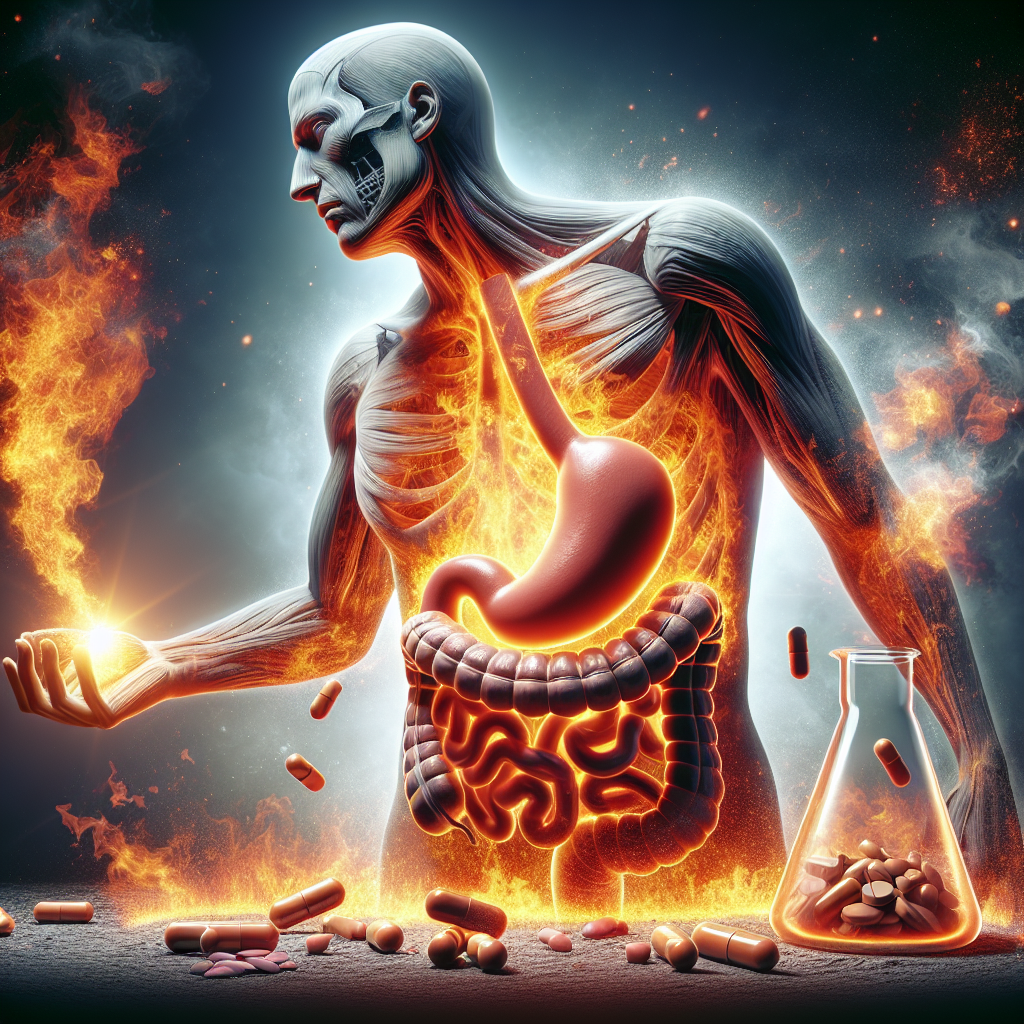
PPIs work by blocking the enzyme responsible for acid production in the stomach. This reduces the amount of acid that is produced, helping to alleviate the symptoms of acid reflux. PPIs are taken orally and are usually prescribed for a specific duration to provide short-term relief.
Effectiveness of PPIs
PPIs have been shown to be highly effective in reducing acid reflux symptoms and promoting healing of the esophagus. They are often recommended as a first-line treatment for moderate to severe cases of acid reflux. However, it is important to note that individual responses to PPIs may vary, and some patients may require a different medication or alternative treatment approach.
Commonly Prescribed PPIs
There are several PPIs available on the market, including omeprazole, esomeprazole, lansoprazole, and pantoprazole. These medications are available in both prescription and over-the-counter forms. Your healthcare provider will determine the most appropriate PPI and dosage for your specific condition.
Benefits of Long-Term PPI Use
Sustained Symptom Relief
One of the key benefits of long-term PPI use is sustained relief from acid reflux symptoms. By reducing the production of stomach acid, PPIs can provide long-lasting relief and improve overall quality of life for individuals with chronic acid reflux.
Healing of Esophageal Damage
Long-term PPI use has been shown to promote the healing of esophageal damage caused by acid reflux. It helps to reduce inflammation and allow the esophagus to heal, reducing the risk of complications such as esophageal strictures or Barrett’s esophagus.
Prevention of Complications
By effectively reducing acid reflux symptoms and promoting healing, long-term PPI use can help prevent complications associated with acid reflux. These include esophageal ulcers, bleeding, and the development of precancerous conditions like Barrett’s esophagus. Regular use of PPIs under the guidance of a healthcare professional can help minimize the risk of these complications.

Considerations for Long-Term PPI Use
Potential Side Effects
While PPIs are generally safe and well-tolerated, they may be associated with some side effects. These can include headaches, diarrhea, nausea, abdominal pain, and an increased risk of certain infections. It is important to discuss potential side effects with your healthcare provider before starting long-term PPI treatment.
Drug Interactions
PPIs may interact with certain medications, reducing their effectiveness or increasing the risk of side effects. It is important to inform your healthcare provider about all the medications you are taking, including over-the-counter drugs and herbal supplements, to ensure safe and appropriate use of PPIs.
Monitoring and Evaluation
Long-term PPI use requires regular monitoring and evaluation by a healthcare professional. This helps to ensure that the medication is still providing optimal symptom relief and that any potential side effects or interactions are identified and addressed promptly. Your healthcare provider may adjust the dosage or duration of PPI treatment based on your individual needs.
Alternatives to PPIs
H2 Blockers
H2 blockers, such as ranitidine and famotidine, are another class of medications commonly used to treat acid reflux. They work by reducing the production of stomach acid, providing relief from symptoms. While not as potent as PPIs, H2 blockers can be an effective alternative for mild to moderate cases of acid reflux.
Antacids
Antacids are available over the counter and provide immediate relief from acid reflux symptoms by neutralizing stomach acid. They work by raising the pH level in the stomach, reducing the acidity. Antacids can be used on an as-needed basis and are a suitable option for occasional or mild acid reflux.
Prokinetics
Prokinetics are medications that help improve the movement of food through the digestive system, reducing the likelihood of acid reflux. They work by strengthening the lower esophageal sphincter and enhancing the emptying of the stomach. Prokinetics are typically used in combination with other medications and lifestyle changes for more severe cases of acid reflux.
Managing Acid Reflux Holistically
Dietary Changes
Making dietary modifications can go a long way in managing acid reflux symptoms. Foods and beverages that are known to trigger acid reflux should be avoided, such as spicy foods, citrus fruits, tomatoes, chocolate, caffeine, and alcohol. Instead, opt for a diet rich in fruits, vegetables, lean proteins, and whole grains, which can help reduce symptoms.
Stress Reduction Techniques
Stress and anxiety can worsen acid reflux symptoms. Practicing stress reduction techniques, such as yoga, deep breathing exercises, meditation, and regular physical activity, can help manage stress levels and improve overall well-being. Finding activities that bring joy and relaxation can be an effective part of managing acid reflux holistically.
Elevation during Sleep
Raising the head of the bed by using wedges or an adjustable bed frame can help prevent acid reflux at night. This position helps keep stomach acid from flowing back into the esophagus while you sleep. It is important to note that simply using extra pillows may not be as effective as elevating the entire upper body.
Addressing Underlying Causes
Weight Management
Obesity is a risk factor for acid reflux as it can increase intra-abdominal pressure, causing the LES to malfunction. Losing weight through a combination of a healthy diet and regular exercise can help alleviate acid reflux symptoms and improve overall health.
Treating Hiatal Hernia
A hiatal hernia occurs when a portion of the stomach pushes through the diaphragm, allowing acid to flow into the esophagus. Treating a hiatal hernia may involve lifestyle changes, medication, or surgery, depending on the severity. Managing the hiatal hernia can help reduce acid reflux symptoms.
Smoking Cessation
Smoking has been shown to increase the risk of acid reflux and worsen symptoms. Quitting smoking can significantly improve acid reflux symptoms and promote overall health. Support and resources are available to assist you in the smoking cessation journey.
Combining Therapies for Better Results
Multimodal Approach
In many cases, a combination of therapies is necessary to effectively manage acid reflux. This may include a combination of medication, lifestyle changes, and addressing any underlying causes. Taking a multimodal approach can help maximize the effectiveness of treatment and improve overall outcomes.
Collaboration with Healthcare Providers
Working closely with your healthcare providers, such as a primary care physician, gastroenterologist, and dietitian, can ensure comprehensive and individualized care for your acid reflux. Regular check-ups, open communication, and collaboration are key to finding the most suitable treatment plan and monitoring its effectiveness.
Patient Education and Support
Understanding your condition, treatment options, and self-care strategies is crucial in managing acid reflux. Educating yourself about acid reflux and seeking support from reliable sources, such as patient support groups or educational materials, can empower you to take an active role in your own healthcare.
Conclusion
Acid reflux can be a challenging condition to manage, but with the right combination of medications, lifestyle changes, and support, long-term relief is possible. Proton pump inhibitors (PPIs) have proven to be effective in reducing symptoms and preventing complications associated with acid reflux. However, it is important to weigh the benefits against potential considerations, and explore alternative options when needed. By taking a holistic approach, addressing underlying causes, and working closely with your healthcare team, you can find the right combination of therapies that work best for you. Remember, you don’t have to face acid reflux alone – there is support and help available to improve your quality of life.