In the quest for a balanced and enjoyable lifestyle, it’s important to navigate the delicate relationship between alcohol consumption and acid reflux. We all deserve to unwind and socialize, but it’s crucial to do so responsibly, taking into account the potential impact on our digestive health. With a few smart strategies and helpful tips, you can still savor your favorite drink without triggering uncomfortable acid reflux symptoms. Let’s explore how you can have your cake and eat it too, inviting harmony and moderation into your alcohol consumption habits.
Understanding Acid Reflux
What is acid reflux?
Acid reflux, also known as gastroesophageal reflux disease (GERD), is a condition where the stomach acid flows back up into the esophagus. The esophagus is a tube that connects the mouth to the stomach. Normally, a muscular valve called the lower esophageal sphincter (LES) prevents the acid from going back up. However, when the LES weakens or relaxes inappropriately, the acid can escape and cause discomfort.
Causes of acid reflux
There are several factors that can contribute to the development of acid reflux. One common cause is a weakened or dysfunctional lower esophageal sphincter. This can be due to conditions such as obesity, pregnancy, hiatal hernia, or certain medications. Other lifestyle factors, such as overeating, eating spicy or fatty foods, and lying down immediately after a meal, can also increase the risk of acid reflux.
Symptoms of acid reflux
The symptoms of acid reflux can vary from person to person, but some common signs include a burning sensation in the chest (heartburn), regurgitation of stomach acid into the mouth, difficulty swallowing, and a sour or bitter taste in the throat. Some individuals may also experience coughing, wheezing, hoarseness, or the feeling of a lump in the throat. If you experience these symptoms frequently or severely, it is important to seek medical attention for proper diagnosis and treatment.
Effects of Alcohol on Acid Reflux
How alcohol triggers acid reflux
Alcohol can trigger acid reflux in several ways. Firstly, it relaxes the lower esophageal sphincter, allowing stomach acid to flow back up into the esophagus. Additionally, alcohol increases the production of stomach acid, which can further contribute to reflux symptoms. Lastly, certain types of alcohol, such as red wine and spirits, contain substances like histamines and congeners that can irritate the esophagus and worsen reflux symptoms.
Types of alcoholic beverages that worsen reflux
While alcohol in general can exacerbate acid reflux, certain beverages are more likely to cause symptoms than others. Red wine, beer, and spirits are commonly associated with increased reflux symptoms due to their higher levels of acidity and irritants. It is important to note that everyone’s tolerance to different types of alcohol may vary, so it is crucial to pay attention to how your body reacts to specific beverages.
Factors that influence alcohol’s impact on reflux
Several factors can influence how alcohol affects acid reflux. These include the amount of alcohol consumed, the frequency of consumption, and individual factors such as body weight and overall health. Drinking large amounts of alcohol or engaging in binge drinking can significantly increase the risk of experiencing reflux symptoms. Additionally, individuals who already have a weakened lower esophageal sphincter or are predisposed to acid reflux may be more susceptible to the negative effects of alcohol.
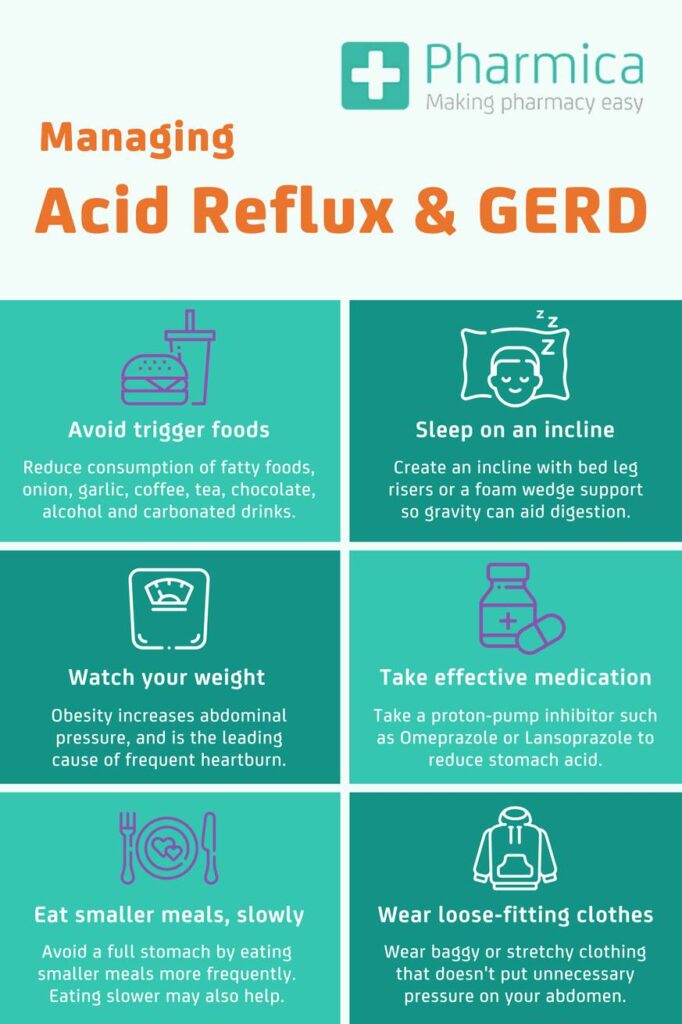
This image is property of www.pharmica.co.uk.
Tips for Managing Acid Reflux
Lifestyle changes for acid reflux
Making certain lifestyle changes can help manage and alleviate acid reflux symptoms. Maintaining a healthy weight through regular exercise and a balanced diet can reduce pressure on the stomach and help prevent reflux. It is also important to avoid smoking, as it can weaken the lower esophageal sphincter and impair the function of the esophagus. Elevating the head of your bed by using a wedge pillow or placing wooden blocks under the bedposts can also help prevent acid reflux during sleep.
Dietary modifications for reflux relief
Certain dietary modifications can help reduce the occurrence of acid reflux. It is recommended to avoid foods and beverages that are known to trigger reflux, such as spicy, fatty, and acidic foods. Carbonated drinks, caffeine, chocolate, and citrus fruits may also worsen symptoms. Instead, opt for a diet that includes lean proteins, fruits and vegetables, whole grains, and low-fat dairy products. Eating smaller, more frequent meals and avoiding eating within two to three hours of bedtime can also help prevent reflux.
Alternative remedies for acid reflux
There are several alternative remedies that may help relieve acid reflux symptoms, although their effectiveness may vary from person to person. Some individuals find relief by consuming ginger, either in the form of ginger tea or as a supplement. Chewing gum after meals can stimulate the production of saliva, which can help neutralize stomach acid. Additionally, certain herbal remedies, such as licorice, slippery elm, and aloe vera juice, may have soothing properties and provide temporary relief from acid reflux. However, it is important to consult with a healthcare professional before trying any alternative remedies.
Understanding Responsible Drinking
Defining responsible drinking
Responsible drinking refers to the consumption of alcohol in a way that minimizes health risks and negative consequences. It involves knowing and understanding your limits, making informed choices about when and how much to drink, and taking steps to avoid excessive alcohol consumption or harmful behaviors associated with alcohol use. Responsible drinking also includes being aware of the impact of alcohol on your health, both in the short term and long term.
Risks of excessive alcohol consumption
Excessive alcohol consumption can have a detrimental impact on overall health and well-being. It is associated with an increased risk of various health conditions, including liver disease, heart disease, certain types of cancer, and mental health disorders. Excessive drinking can also lead to impaired judgment, increased risk-taking behaviors, and negative social and interpersonal consequences. It is essential to be aware of these risks and make conscious choices to avoid excessive alcohol consumption.
The concept of moderation
Moderation is a key principle of responsible drinking. It involves consuming alcohol in moderation and understanding the recommended limits set by health organizations. For most adults, moderate drinking is defined as up to one drink per day for women and up to two drinks per day for men. However, it is important to note that these guidelines may vary depending on individual factors such as body weight, tolerance, and overall health. It is always advisable to consult with a healthcare professional to determine what constitutes moderate drinking for you.
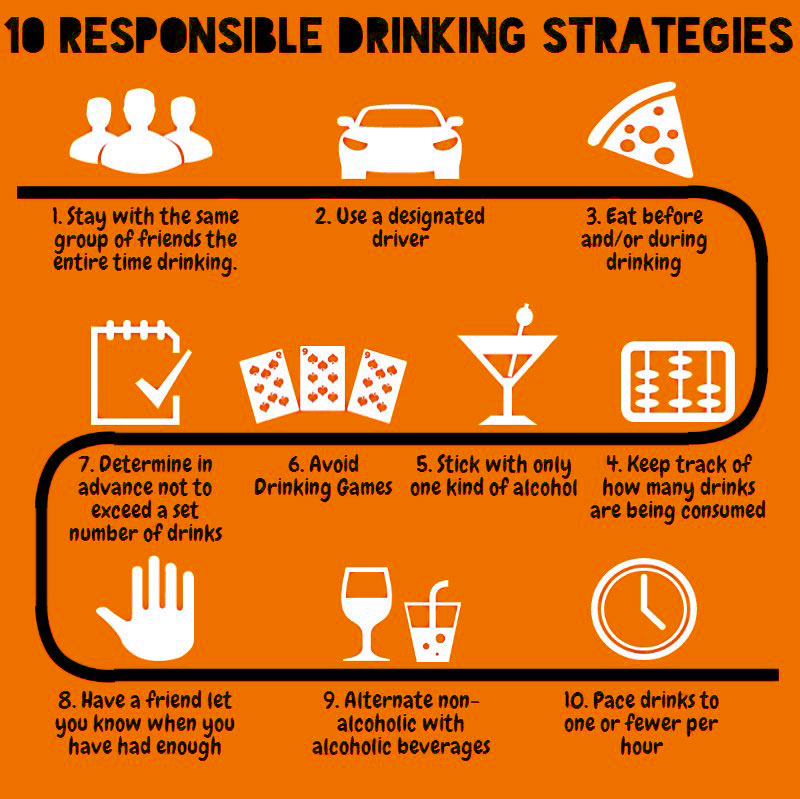
This image is property of wellnesscenter.uic.edu.
Guidelines for Enjoying Alcohol Responsibly
Know your limits
Knowing your limits is crucial for enjoying alcohol responsibly. It is important to be aware of how alcohol affects your body and how much you can safely consume without experiencing negative effects. Monitoring your alcohol intake and setting personal limits can help prevent excessive consumption. If you find it difficult to stick to your limits, consider seeking support or guidance from a healthcare professional, counselor, or support group.
Choosing reflux-friendly alcoholic beverages
When dealing with acid reflux, it is important to choose alcoholic beverages wisely to minimize symptoms. Certain types of alcohol, such as white wine and light beers, are generally better tolerated than their higher acid counterparts like red wine or spirits. Choosing drinks that are lower in alcohol content and diluting them with mixers or water can also help reduce the impact on reflux. It is important to listen to your body and be aware of how different types of alcohol affect your reflux symptoms.
Alternatives to alcohol for socializing
If you are concerned about managing your acid reflux while socializing, it is worth exploring alternatives to alcohol. Many non-alcoholic beverages can be enjoyable and refreshing, such as flavored water, herbal tea, mocktails, or sparkling water with fruit garnishes. Engaging in activities that don’t involve alcohol, such as going for walks, playing sports, or trying new hobbies, can also provide social opportunities without the need for alcohol.
Prevention and Precautions
Preventing acid reflux while consuming alcohol
To prevent acid reflux while consuming alcohol, there are several precautions that can be taken. Pace yourself and drink slowly, allowing your body to process the alcohol more effectively. Avoid mixing different types of alcohol, as this can increase the risk of experiencing reflux symptoms. Be mindful of your posture, as slouching or lying down can exacerbate reflux. Finally, consider avoiding carbonated mixers and opting for non-carbonated options, as carbonation can increase the likelihood of acid reflux.
Avoiding alcohol when experiencing reflux symptoms
If you are experiencing acid reflux symptoms, it is advisable to abstain from alcohol until the symptoms subside. Alcohol can irritate the already inflamed esophagus and exacerbate the discomfort. Instead, focus on hydrating with water, herbal tea, or non-citrus juices. If you find that reflux symptoms persist despite avoiding alcohol, it is important to consult with a healthcare professional for a proper evaluation and treatment plan.
Taking precautions to minimize the impact of alcohol on reflux
There are several precautions that can be taken to minimize the impact of alcohol on acid reflux. Eating a small meal or snack before consuming alcohol can help buffer the effects and slow down the absorption of alcohol. It is also essential to stay well-hydrated by drinking water alongside alcoholic beverages. Avoiding trigger foods, such as spicy or fatty foods, while consuming alcohol can further reduce the likelihood of experiencing reflux symptoms. Lastly, consider utilizing over-the-counter antacids or acid reducers to provide temporary relief.
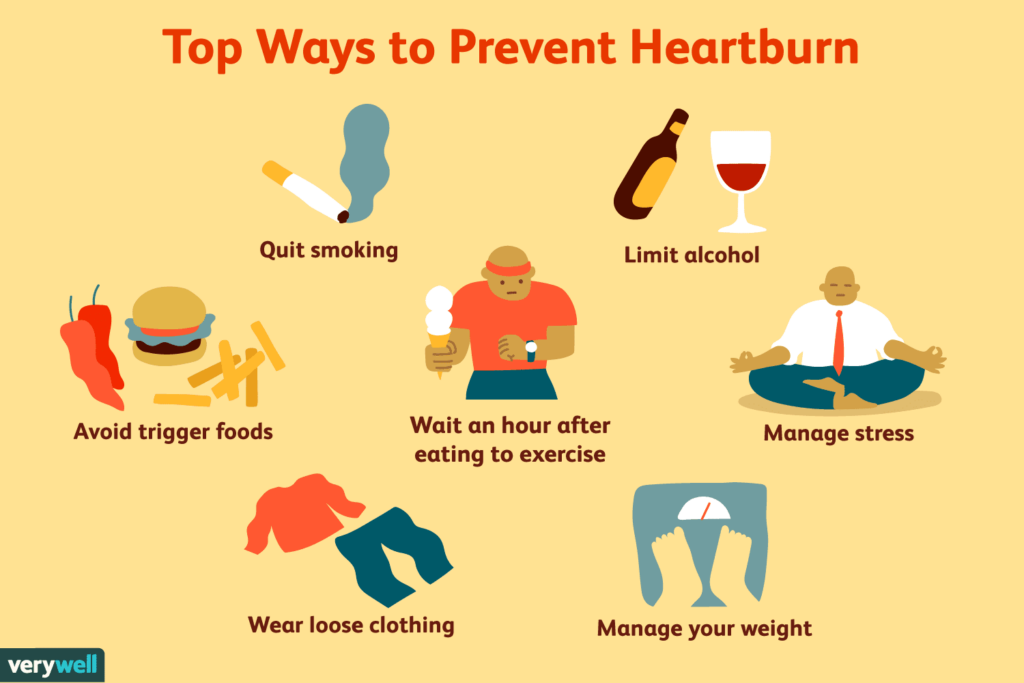
This image is property of www.verywellhealth.com.
The Role of Medications
Medications to manage acid reflux
There are various medications available to manage acid reflux symptoms. Antacids work by neutralizing stomach acid and providing immediate relief from heartburn and indigestion. H2 blockers and proton pump inhibitors (PPIs) reduce the production of stomach acid and can provide long-lasting relief. Medications like prokinetics help to strengthen the lower esophageal sphincter and improve the movement of food through the digestive system. It is important to consult with a healthcare professional to determine which medication is most suitable for individual needs.
Interactions between alcohol and reflux medications
It is important to be aware of potential interactions between alcohol and reflux medications. Alcohol can interfere with the effectiveness of certain medications, particularly those that reduce stomach acid production. Drinking alcohol while taking these medications may reduce their effectiveness and increase the risk of experiencing acid reflux symptoms. It is important to follow the instructions provided by healthcare professionals and avoid consuming alcohol if advised to do so.
Consulting a healthcare professional
If you are experiencing persistent or severe acid reflux symptoms, it is recommended to consult with a healthcare professional. They can assess your symptoms, provide a proper diagnosis, and recommend an appropriate treatment plan. A healthcare professional can also provide guidance on managing your acid reflux while still enjoying alcohol responsibly, taking into account your individual health needs.
Alcohol-Related Gastrointestinal Complications
Alcohol-related damage to the esophagus
Excessive alcohol consumption can cause damage to the lining of the esophagus. Chronic exposure to stomach acid and irritants from alcohol can lead to inflammation and erosions in the esophageal tissue. This condition, known as erosive esophagitis, can cause significant discomfort and increase the risk of complications such as ulcers and strictures. If left untreated, chronic esophageal damage from alcohol can increase the risk of developing Barrett’s esophagus, a pre-cancerous condition.
Alcohol-induced gastritis
Gastritis refers to inflammation of the stomach lining, and excessive alcohol consumption is a common cause of gastritis. Alcohol irritates the stomach lining, leading to inflammation, discomfort, and digestive symptoms such as nausea, vomiting, and indigestion. This inflammation can impair the stomach’s ability to produce digestive enzymes and increase the risk of complications such as gastrointestinal bleeding or ulcers. Reducing or eliminating alcohol consumption can help alleviate gastritis symptoms and promote healing of the stomach lining.
Alcoholic liver disease and reflux
Excessive alcohol consumption can lead to alcoholic liver disease, a condition where the liver becomes damaged due to alcohol toxicity. Alcoholic liver disease can impair liver function and disrupt the production of bile, which plays a crucial role in digestion. The dysfunction of the liver and bile production can result in reflux symptoms, as bile can back up into the stomach and the esophagus. Managing alcohol consumption and seeking appropriate medical care are essential for preventing and managing alcoholic liver disease and its associated reflux symptoms.
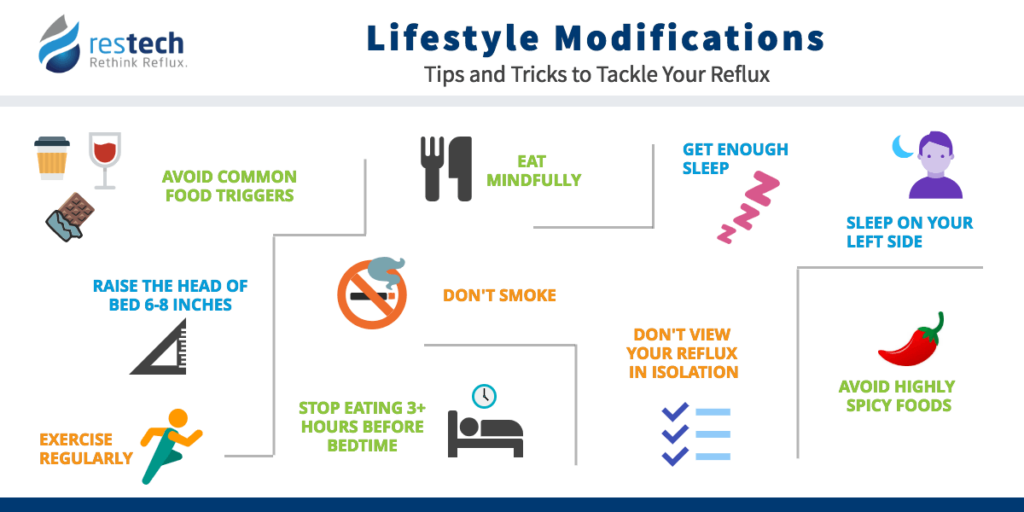
This image is property of www.restech.com.
Tips for Minimizing Acid Reflux Symptoms
Avoiding common triggers
Identifying and avoiding common triggers can help minimize acid reflux symptoms. Some common triggers include spicy and fatty foods, citrus fruits, chocolate, caffeine, carbonated drinks, and mint. It is important to pay attention to which foods or beverages worsen your symptoms and make modifications to your diet accordingly. Keeping a food diary can help you track your diet and identify potential triggers.
Managing stress and its impact on reflux
Stress can exacerbate acid reflux symptoms by increasing the production of stomach acid and affecting the function of the digestive system. It is important to find healthy ways to manage stress, such as practicing relaxation techniques, engaging in regular physical activity, getting enough sleep, and seeking support from loved ones or professional counselors. Implementing stress management strategies can help reduce the occurrence and severity of acid reflux symptoms.
Maintaining a healthy weight and body
Maintaining a healthy weight is important for managing acid reflux symptoms. Excess weight, especially around the abdomen, can increase pressure on the stomach, which can lead to the reflux of stomach acid into the esophagus. Adopting a healthy lifestyle that includes regular exercise, a balanced diet, and portion control can help achieve and maintain a healthy weight. It is important to consult with a healthcare professional to develop an individualized plan that suits your needs and goals.
Seeking Professional Help
When to consult a medical professional
It is advisable to consult a medical professional if you are experiencing persistent or severe acid reflux symptoms. They can assess your symptoms, perform diagnostic tests if necessary, and provide appropriate treatment options. Additionally, if you have a history of alcohol abuse or are struggling to control your alcohol consumption, it is important to seek professional help. Healthcare professionals can provide guidance, support, and resources to help you address alcohol-related concerns and make positive changes.
Diagnostic tests for acid reflux
If your acid reflux symptoms are persistent or severe, a medical professional may recommend diagnostic tests to evaluate your condition further. These tests may include an upper endoscopy, where a flexible tube with a camera is inserted into the esophagus to examine the lining and identify any abnormalities. A pH monitoring test can also be conducted to measure the amount of acid in the esophagus over a period of time. These tests can help determine the severity of acid reflux and guide appropriate treatment.
Treatment options for reflux and alcohol use
Treatment options for acid reflux and alcohol use can vary depending on the individual and their specific needs. Lifestyle modifications, such as dietary changes, weight management, and stress reduction, are often recommended as the primary approach. Medications, such as antacids or prescription-strength acid reducers, may be prescribed to provide relief and manage symptoms. In cases of severe acid reflux or alcohol dependency, a healthcare professional may recommend specialized treatment programs or referrals to specialists to address the underlying causes and provide comprehensive care.
In conclusion, understanding the relationship between alcohol and acid reflux is essential for enjoying alcohol responsibly while managing reflux symptoms. By making lifestyle changes, choosing reflux-friendly beverages, and taking precautions, it is possible to strike a balance between enjoying alcohol and minimizing the discomfort associated with acid reflux. It is important to prioritize your health and seek professional help when needed to ensure the best possible outcomes for both reflux management and responsible alcohol consumption.
This image is property of qph.cf2.quoracdn.net.