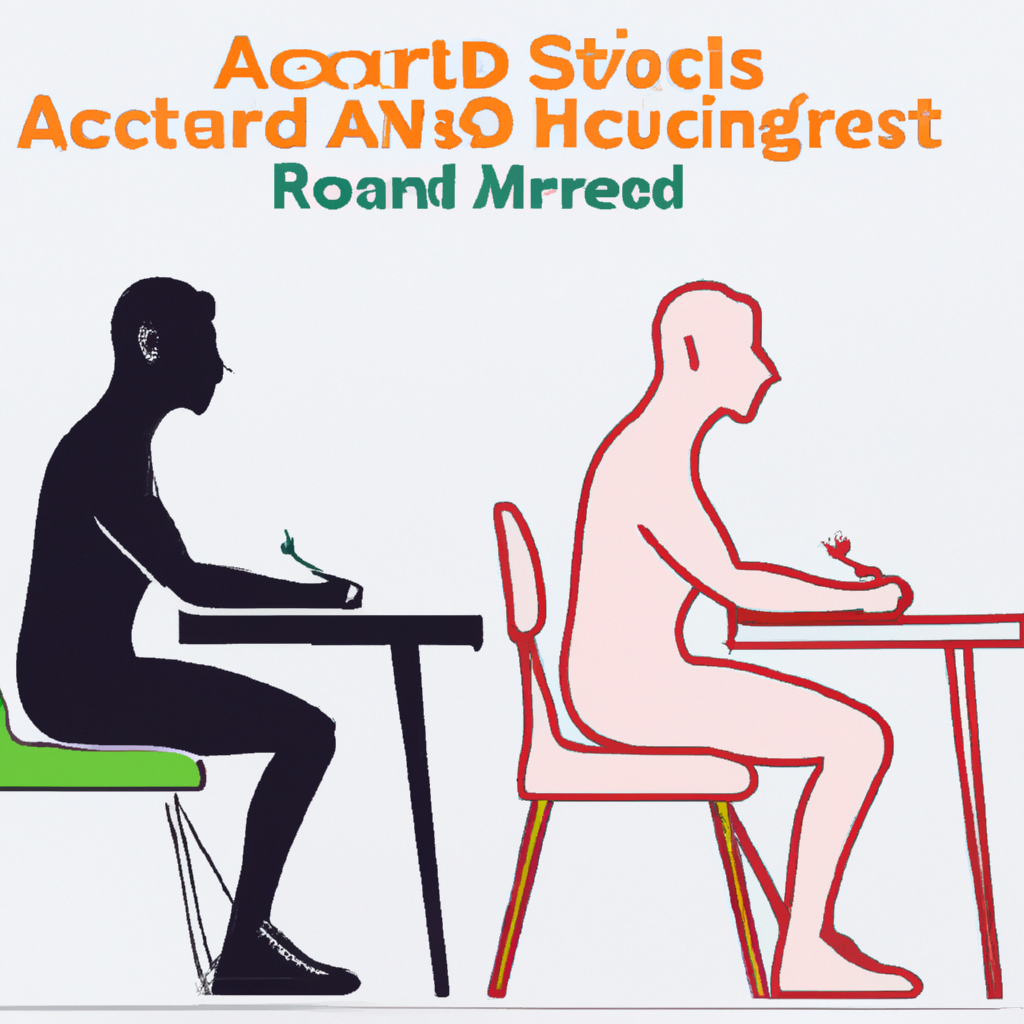
Are you constantly plagued by the discomfort of acid reflux? Look no further for a simple solution – it might just be about how you sit and stand! In this article, we will explore the correlation between acid reflux and posture, offering valuable tips on how to position your body for maximum relief. Discover the easy adjustments you can make to your daily routine that could potentially ease your symptoms and improve your overall quality of life. So, sit back, relax, and learn how to find comfort in the right posture!

This image is property of pixabay.com.
Overview of Acid Reflux
Acid reflux, also known as gastroesophageal reflux disease (GERD), occurs when stomach acid flows back up into the esophagus. This condition can cause a variety of uncomfortable symptoms, including heartburn, regurgitation, chest pain, and difficulty swallowing. Understanding the causes and symptoms of acid reflux is crucial in order to effectively manage and find relief from this condition. Additionally, research has shown that maintaining proper posture can significantly alleviate the symptoms of acid reflux, making it an important aspect of the overall treatment plan.
Understanding the Condition and Its Causes
Acid reflux occurs when the lower esophageal sphincter (LES), a ring of muscles at the bottom of the esophagus, fails to close properly. This allows stomach acid to flow back up into the esophagus, causing irritation and discomfort. There are several factors that can contribute to the development of acid reflux, including obesity, pregnancy, certain medications, and a diet high in fatty and spicy foods. Understanding these causes can help individuals make necessary lifestyle changes to manage their acid reflux symptoms.
Symptoms and Effects of Acid Reflux
The symptoms of acid reflux can range from mild to severe, and they can significantly impact an individual’s quality of life. Common symptoms include a burning sensation in the chest (heartburn), sour or bitter taste in the mouth (regurgitation), difficulty swallowing, and chest pain. In some cases, acid reflux can cause complications such as esophagitis, ulcers, and strictures. It is important to be aware of these symptoms and seek appropriate medical treatment to prevent further damage and discomfort.
Importance of Proper Posture for Relief
Maintaining proper posture is crucial for managing acid reflux symptoms. Poor posture can put unnecessary pressure on the abdomen, causing the stomach acid to flow back up into the esophagus. Slouching or slumping can also affect the function of the LES, making it more likely for acid reflux to occur. By practicing good posture, individuals can help alleviate the symptoms of acid reflux and promote better digestive health.
How Slouching Affects the Digestive Process
Slouching or sitting in a hunched position can have a negative impact on the digestive process. When you slouch, your internal organs, including the stomach, are compressed, which can disrupt the natural flow of digestion. This compression can also put pressure on the esophagus, making it easier for stomach acid to flow back up. By maintaining an upright posture, you allow your body to properly digest food and prevent the onset of acid reflux symptoms.
Negative Impact of Slumped Posture on LES Function
The lower esophageal sphincter (LES) plays a crucial role in preventing stomach acid from entering the esophagus. However, when you slouch or sit in a slumped position, the function of the LES can be compromised. Poor posture can cause the LES to relax and weaken, allowing stomach acid to escape into the esophagus. This can lead to the development or exacerbation of acid reflux symptoms. By maintaining an upright posture, you can help ensure that the LES functions properly, reducing the risk of acid reflux.
Contributing Factors to Acid Reflux Due to Poor Posture
There are several contributing factors to acid reflux that can be directly linked to poor posture. Sitting for long periods of time in a hunched position, especially after a meal, can increase the likelihood of acid reflux. Poor posture can also lead to overweight or obesity, which is a known risk factor for acid reflux. Additionally, certain postures, such as lying flat on the back or bending forward at the waist, can exacerbate acid reflux symptoms. By addressing and correcting poor posture, individuals can effectively reduce their risk of developing acid reflux.
Correct Sitting Posture for Acid Reflux Relief
Maintaining an upright sitting posture is key to finding relief from acid reflux symptoms. When sitting, it is important to keep your back straight and shoulders relaxed. Avoid slouching or hunching forward, as this can put unnecessary pressure on the abdomen and increase the risk of acid reflux. Using appropriate chairs and ergonomic supports can also help promote good posture and alleviate the symptoms of acid reflux.
Using Appropriate Chairs and Ergonomic Supports
Choosing the right chair can make a significant difference in your posture and overall comfort. Look for chairs that provide good lumbar support and encourage an upright sitting position. Ergonomic chairs designed specifically for individuals with back or digestive issues can be particularly helpful in maintaining proper posture and reducing acid reflux symptoms. Additionally, using cushions or pillows to support your lower back can provide additional support and help prevent slumping.
Avoiding Excessive Pressure on the Abdomen
Excessive pressure on the abdomen can exacerbate acid reflux symptoms. When sitting, it is important to avoid crossing your legs or wearing tight clothing that restricts the movement of your abdomen. These factors can increase the pressure on your stomach and contribute to the occurrence of acid reflux. Instead, opt for loose-fitting clothing and try to sit with your legs uncrossed to prevent undue pressure on your abdomen.
Standing Posture Techniques for Acid Reflux Relief
Maintaining proper posture while standing is equally important for managing acid reflux symptoms. When standing, it is crucial to distribute your weight evenly on both feet and avoid excessive swayback or leaning forward. Balancing your weight evenly can help support the natural alignment of your spine and prevent the compression of your internal organs. If needed, you can use props or supports, such as footrests, to help maintain an upright posture and alleviate the symptoms of acid reflux.
Balancing Weight Evenly on Both Feet
To promote good posture and reduce the risk of acid reflux, it is important to balance your weight evenly on both feet while standing. This distributes the weight throughout your body and prevents excessive strain on any one area. Standing with your feet hip-width apart and slightly bending your knees can help maintain stability and prevent slouching or leaning forward, which can increase the likelihood of acid reflux.
Avoiding Excessive Swayback or Leaning Forward
Swayback, which is an excessive curvature of the lower back, and leaning forward can both contribute to poor posture and increase the risk of acid reflux. When standing, it is important to keep your back straight, shoulders relaxed, and avoid overarching or tilting your pelvis forward. By maintaining proper alignment of your spine, you can reduce the strain on your abdominal muscles and minimize the likelihood of acid reflux.
Using Props or Supports When Necessary
In some cases, individuals may require additional support to maintain proper posture while standing. This is particularly true for those with existing back or postural issues. Using props or supports, such as footrests or lumbar cushions, can help promote good posture and alleviate the symptoms of acid reflux. These props can assist in maintaining proper alignment and reducing the strain on your spine, allowing for improved comfort and digestion.

Exercises and Stretches to Support Proper Posture
In addition to maintaining good posture while sitting and standing, incorporating exercises and stretches into your routine can further support proper posture and help alleviate acid reflux symptoms. Strengthening your core muscles is particularly beneficial, as a strong core helps support the spine and maintains proper alignment. Additionally, stretches for the chest and back can help loosen tight muscles and improve overall posture. Postural exercises, such as yoga or Pilates, can also relieve tension and promote proper spinal alignment.
Strengthening Core Muscles for Improved Posture
Exercises that target the core muscles, such as planks, bridges, and abdominal crunches, can help improve posture and alleviate the symptoms of acid reflux. Strengthening your core muscles provides support to your spine, preventing slouching or hunching forward. By incorporating core exercises into your routine, you can reduce the strain on your abdominal muscles and LES, reducing the risk of acid reflux and promoting optimal digestive health.
Stretching Exercises for the Chest and Back
Tight muscles in the chest and back can contribute to poor posture and increase the likelihood of acid reflux. To alleviate these symptoms, incorporating stretches that target the chest and back can be beneficial. Some examples include chest stretches, doorway stretches, and cat-cow stretches for the back. These stretches help lengthen tight muscles, improve flexibility, and promote better posture, ultimately reducing the risk of acid reflux.
Postural Exercises to Relieve Tension and Promote Alignment
Postural exercises, such as yoga poses or Pilates movements, can help relieve muscle tension and promote proper alignment. These exercises focus on strengthening the muscles that support the spine and improving overall posture. By incorporating postural exercises into your fitness routine, you can alleviate the symptoms of acid reflux and improve your overall digestive health.
Incorporating Lifestyle Changes for Acid Reflux Relief
In addition to maintaining proper posture, making certain lifestyle changes can greatly contribute to finding relief from acid reflux symptoms. These changes include maintaining a healthy weight, adopting a mindful eating approach, and avoiding triggering foods and beverages.
Maintaining a Healthy Weight to Reduce Pressure on the Abdomen
Excess body weight, particularly around the abdomen, can contribute to the occurrence and severity of acid reflux. By maintaining a healthy weight, individuals can reduce the pressure on their abdomen, allowing the LES to function properly and reducing the risk of acid reflux. Incorporating regular exercise and following a balanced diet can aid in weight management and provide long-term relief from acid reflux symptoms.
Adopting a Mindful Eating Approach to Prevent Overeating
Overeating can put unnecessary pressure on the abdomen and increase the likelihood of acid reflux. Adopting a mindful eating approach can help prevent overeating and promote better digestion. By paying attention to your body’s hunger and fullness cues, eating slowly, and savoring each bite, you can reduce the risk of acid reflux and improve overall digestive health.

Avoiding Triggering Foods and Beverages
Certain foods and beverages can trigger or worsen acid reflux symptoms in individuals. These include spicy and fatty foods, citrus fruits, tomatoes, chocolate, caffeine, and alcohol. By identifying and avoiding these triggers, individuals can prevent the occurrence or severity of acid reflux. Making conscious and informed choices about food and beverage consumption can significantly contribute to finding relief from acid reflux symptoms.
Using Pillows and Wedges to Support Good Posture
Creating a supportive and comfortable sleep environment is crucial for managing acid reflux symptoms. Using pillows and wedges can provide the necessary elevation and support to promote good posture and prevent reflux at night.
Elevating the Head and Upper Body During Sleep
Elevating the head and upper body during sleep can help prevent stomach acid from flowing back up into the esophagus. By using pillows to prop yourself up, you create an incline that helps gravity keep stomach acid where it belongs. Elevating the head and upper body can significantly reduce the occurrence of acid reflux during sleep and lead to a more restful night’s sleep.
Choosing the Right Pillow or Wedge for Maximum Comfort
Selecting the appropriate pillow or wedge is essential for achieving maximum comfort and support. There are various types of pillows and wedges available on the market, including wedge pillows, contour pillows, and body pillows. It is important to choose a pillow or wedge that provides adequate elevation and support to maintain proper posture and prevent acid reflux symptoms.
Preventing Reflux at Night with Proper Positioning
Proper positioning during sleep is crucial for preventing reflux at night. In addition to elevating the head and upper body, individuals should avoid sleeping on their back or stomach, as these positions can increase the likelihood of acid reflux. Instead, try sleeping on your side with a pillow between your legs to promote optimal spinal alignment and prevent reflux.
Tips for Maintaining Good Posture Throughout the Day
Maintaining good posture throughout the day is essential for managing acid reflux symptoms. Here are some tips to help you maintain good posture and reduce the risk of acid reflux:
- Take regular breaks from sitting: Prolonged sitting can contribute to poor posture and increase the likelihood of acid reflux. Take short breaks every hour and engage in light stretching or walking to relieve tension and promote better posture.
- Practice conscious postural adjustments: Pay attention to your posture throughout the day and make conscious adjustments as needed. Straighten your back, relax your shoulders, and avoid slumping or hunching forward.
- Incorporate standing and walking breaks: Whenever possible, incorporate standing and walking breaks into your daily routine. This not only helps alleviate the strain on your body from prolonged sitting but also promotes better posture and digestion.
Ergonomic Adjustments for Work and Home Environments
Making ergonomic adjustments to your work and home environments can greatly contribute to maintaining good posture and reducing the risk of acid reflux.
Adjusting Desk and Chair Heights for Optimal Posture
When sitting at a desk, it is important to ensure that your chair and desk heights are properly adjusted to promote optimal posture. Your feet should rest flat on the floor, your knees should be bent at a 90-degree angle, and your elbows should be comfortably positioned at 90 degrees while typing or using the mouse. By creating a comfortable and ergonomic workspace, you can maintain good posture and minimize the strain on your body.
Using Ergonomic Accessories to Support Proper Alignment
Incorporating ergonomic accessories into your work and home environments can provide additional support and promote proper alignment. Examples of ergonomic accessories include lumbar cushions, footrests, and adjustable monitor stands. These accessories help maintain good posture, reduce strain on your body, and minimize the risk of acid reflux.
Creating a Conducive Environment for Maintaining Good Posture
Designing a conducive environment that supports good posture is crucial for managing acid reflux symptoms. Arrange your workspace to encourage an upright sitting position, ensure adequate lighting to prevent unnecessary straining, and keep your surroundings organized to reduce stress and promote a calm and comfortable atmosphere. Creating a conducive environment can greatly contribute to maintaining good posture and reducing the risk of acid reflux.
Seeking Professional Guidance for Postural Correction
If you’re struggling with poor posture and acid reflux symptoms, seeking professional guidance from a physical therapist or chiropractor can be beneficial. These healthcare professionals are trained to assess individual posture issues and create personalized strategies to correct them.
Seeking Help from a Physical Therapist or Chiropractor
Physical therapists and chiropractors specialize in evaluating and treating musculoskeletal issues, including poor posture. They can assess your posture, identify any imbalances or structural abnormalities, and create a tailored treatment plan to correct them. Seeking help from these professionals can provide valuable insight and guidance for alleviating acid reflux symptoms through postural correction.
Assessing Individual Posture Issues and Creating Personalized Strategies
Every individual’s posture and needs are unique. By working with a physical therapist or chiropractor, you can receive a comprehensive evaluation to identify your specific posture issues. Once these issues are identified, the healthcare professional can create a personalized strategy to correct your posture and alleviate acid reflux symptoms. This may include targeted exercises, stretches, and adjustments to your everyday habits and routines.
Utilizing Professional Expertise for Long-Term Relief
The professional expertise of physical therapists and chiropractors can provide long-term relief from acid reflux symptoms. These healthcare professionals are trained to address the root causes of poor posture and design treatment plans that focus on improving overall posture and spinal alignment. By utilizing their expertise, you can find lasting relief and make positive changes to support your overall health and well-being.
In conclusion, maintaining proper posture is essential for managing acid reflux symptoms. By understanding the causes and symptoms of acid reflux, individuals can make necessary lifestyle changes to alleviate discomfort. Practicing good posture while sitting and standing, incorporating exercises and stretches to support proper alignment, and making ergonomic adjustments to work and home environments can greatly contribute to finding relief from acid reflux. Additionally, adopting healthy eating habits, utilizing pillows and wedges for support during sleep, and seeking professional guidance for postural correction are valuable strategies for managing acid reflux symptoms in the long term. With these comprehensive approaches, individuals can improve their posture, reduce the occurrence of acid reflux, and enhance their overall digestive health.